# 1Locale EN
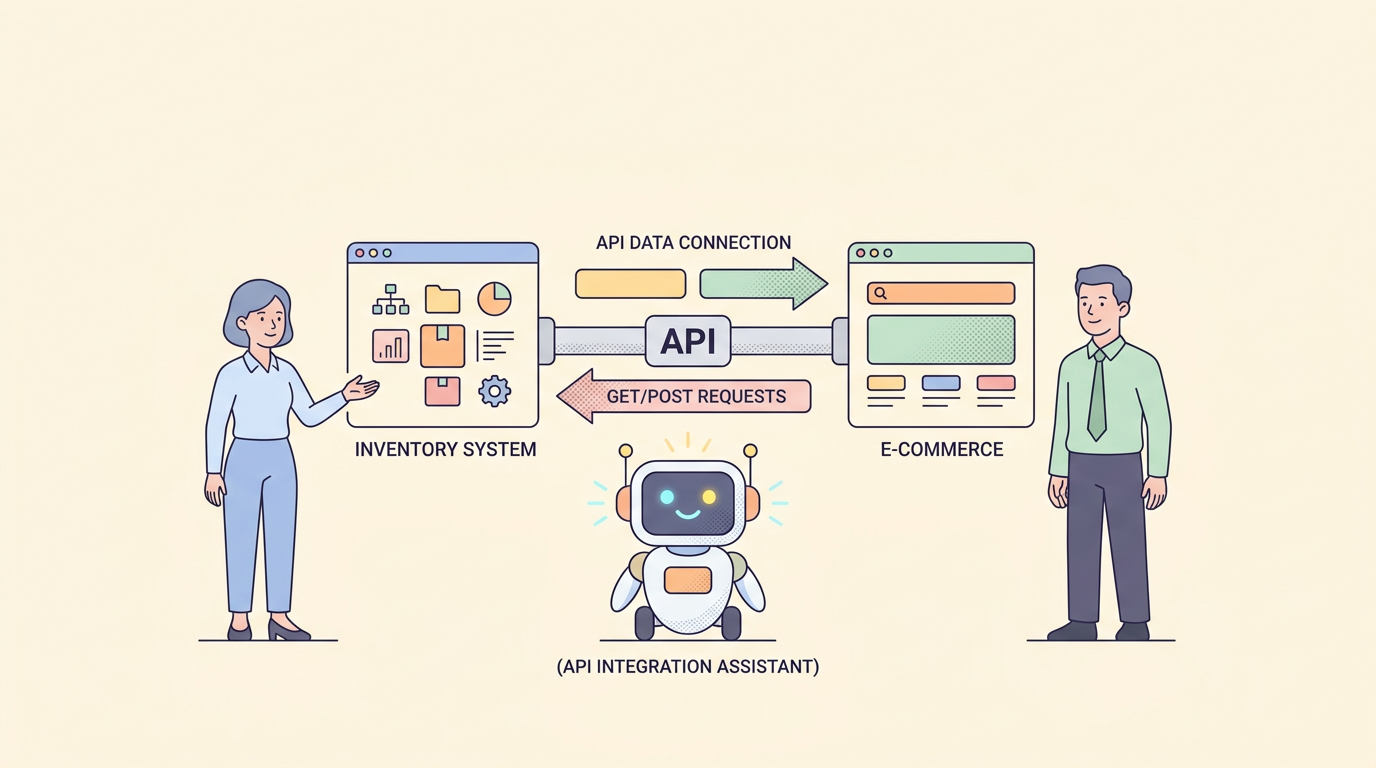
Complete OpenAPI Specification Guide
If you've ever integrated with a poorly documented API, you know the pain. Hours spent guessing what fields are required, what data types to expect, and what error codes mean. OpenAPI exists to solve that problem — it's a standard way to describe REST APIs so both humans and machines can
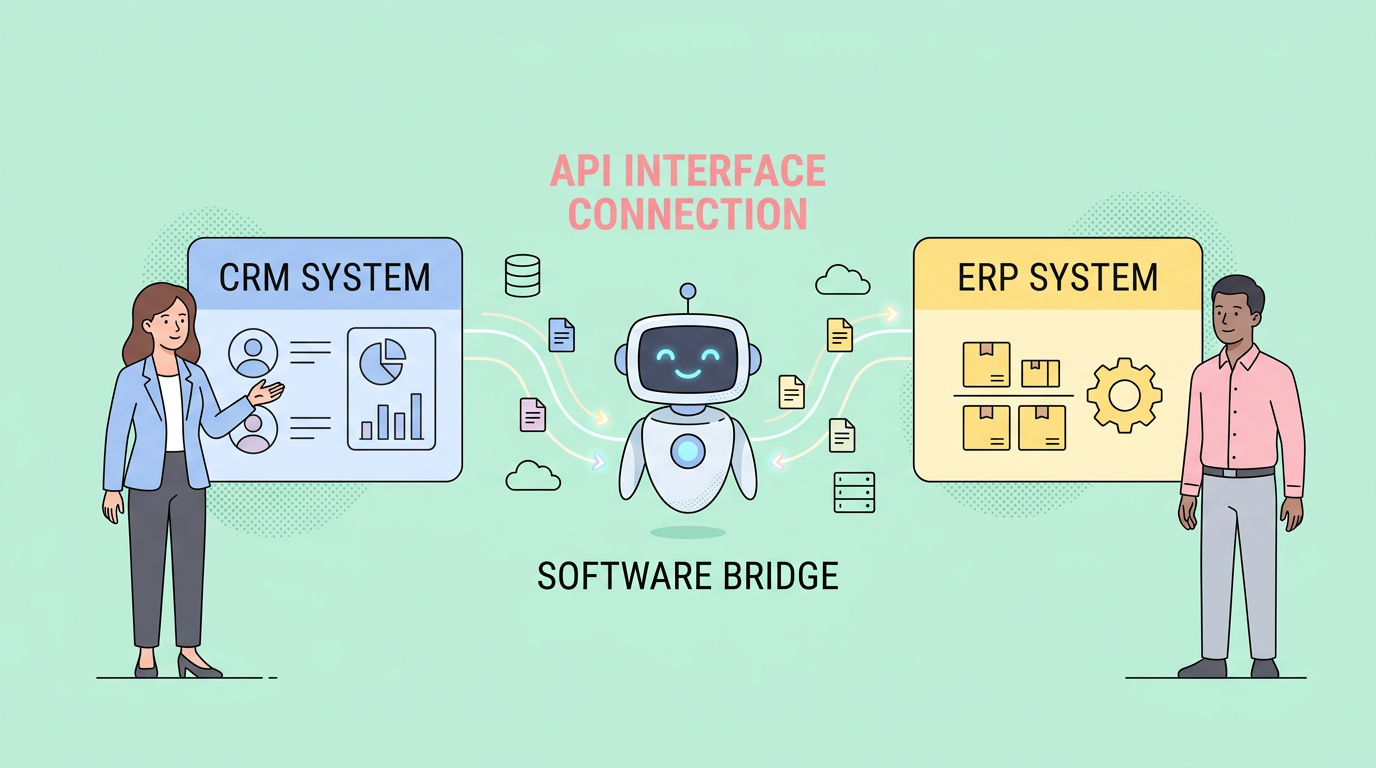
API-First Development Approach
Most teams build APIs backwards. They write code first, then document it later (if at all). By the time frontend developers see the API, it's already built, and changing it is painful.
API-first development flips this around. You design the API contract first, get everyone to agree on it, then

gRPC vs REST: Performance Comparison
When building modern APIs, you'll eventually face a critical decision: should you use REST or gRPC? Both have their place in the API ecosystem, but they solve different problems in different ways.
REST has been the dominant API architecture for over a decade. It's simple, widely understood, and works seamlessly
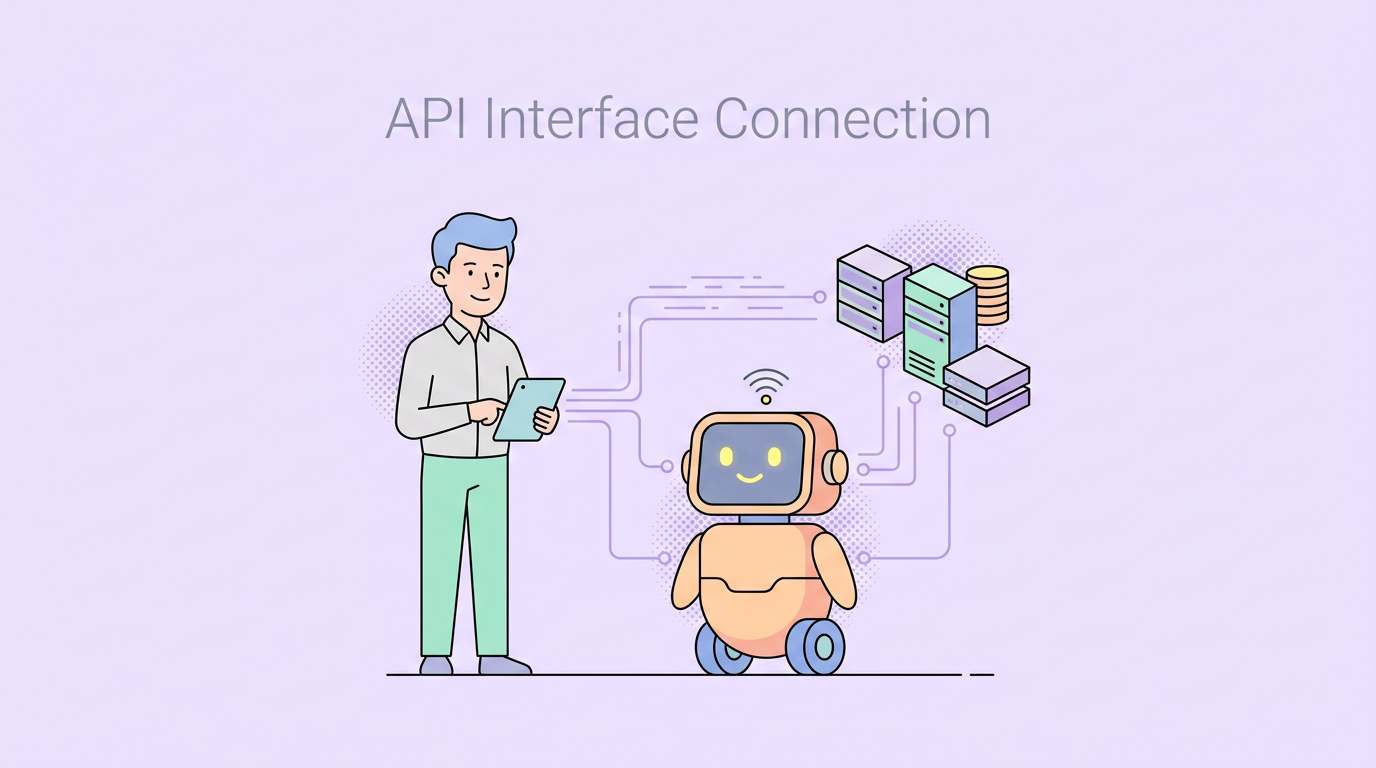
Async APIs and Event-Driven Architecture
Traditional request-response APIs work great for many scenarios. You send a request, wait for a response, and move on. But what happens when operations take minutes instead of milliseconds? What if you need to notify thousands of clients about a single event? What if services need to communicate without knowing
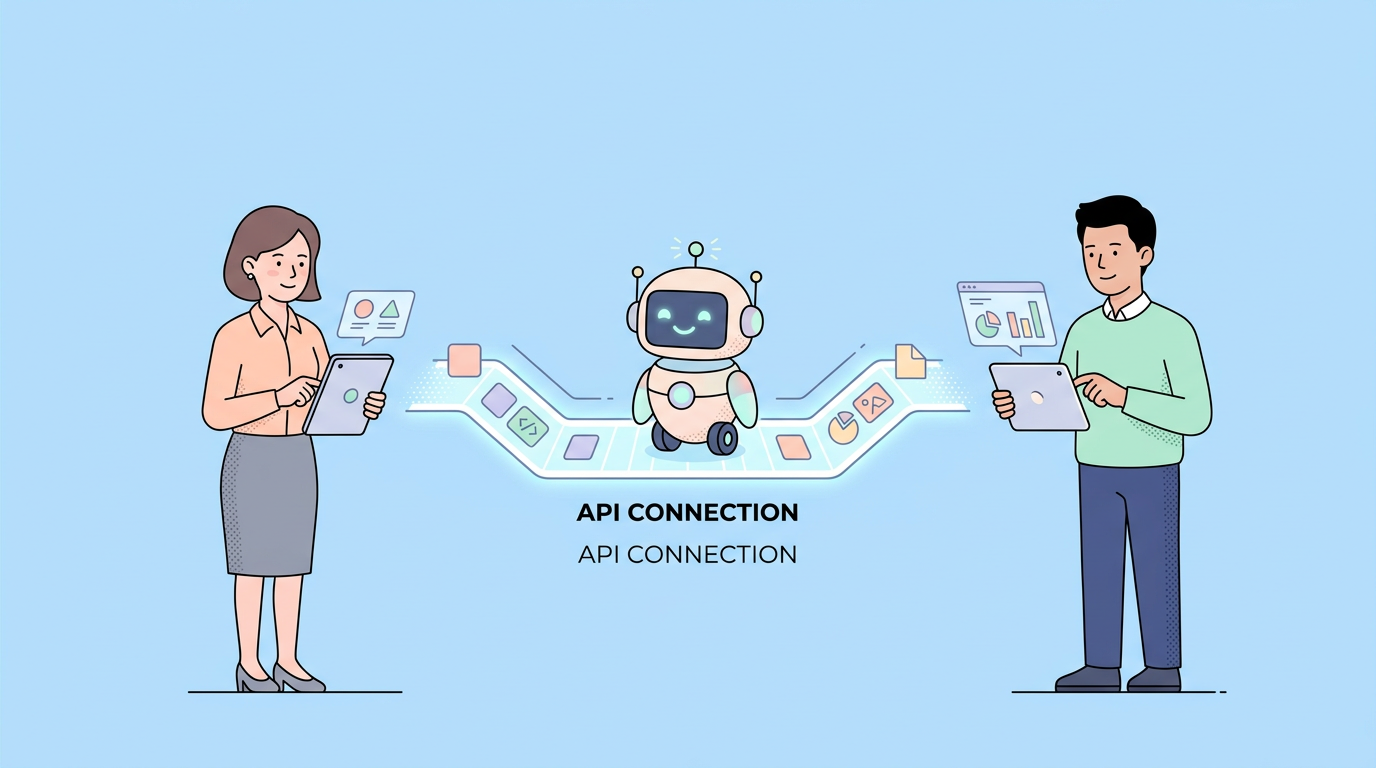
API Security: OAuth 2.0 Deep Dive
OAuth 2.0 is everywhere. It powers "Sign in with Google," protects your banking API, and secures microservice communication. But it's also widely misunderstood and frequently misimplemented.
This guide cuts through the confusion. We'll walk through each OAuth flow with real code, explain when to use each one, and cover

REST API Performance Optimization
Your API works. But it's slow. Users complain. Dashboards timeout. Your server costs are climbing.
Performance optimization isn't about premature optimization or micro-benchmarks. It's about identifying real bottlenecks and fixing them systematically.
This guide walks through the most impactful performance improvements for REST APIs, with real code and measurable results.

Handling Long-Running Operations in APIs
Some operations just take time. Generating a report with millions of rows, processing a video upload, training a machine learning model — these can't finish in the 30 seconds your API gateway allows for a request.
The naive approach is to make the client wait. The better approach is to return
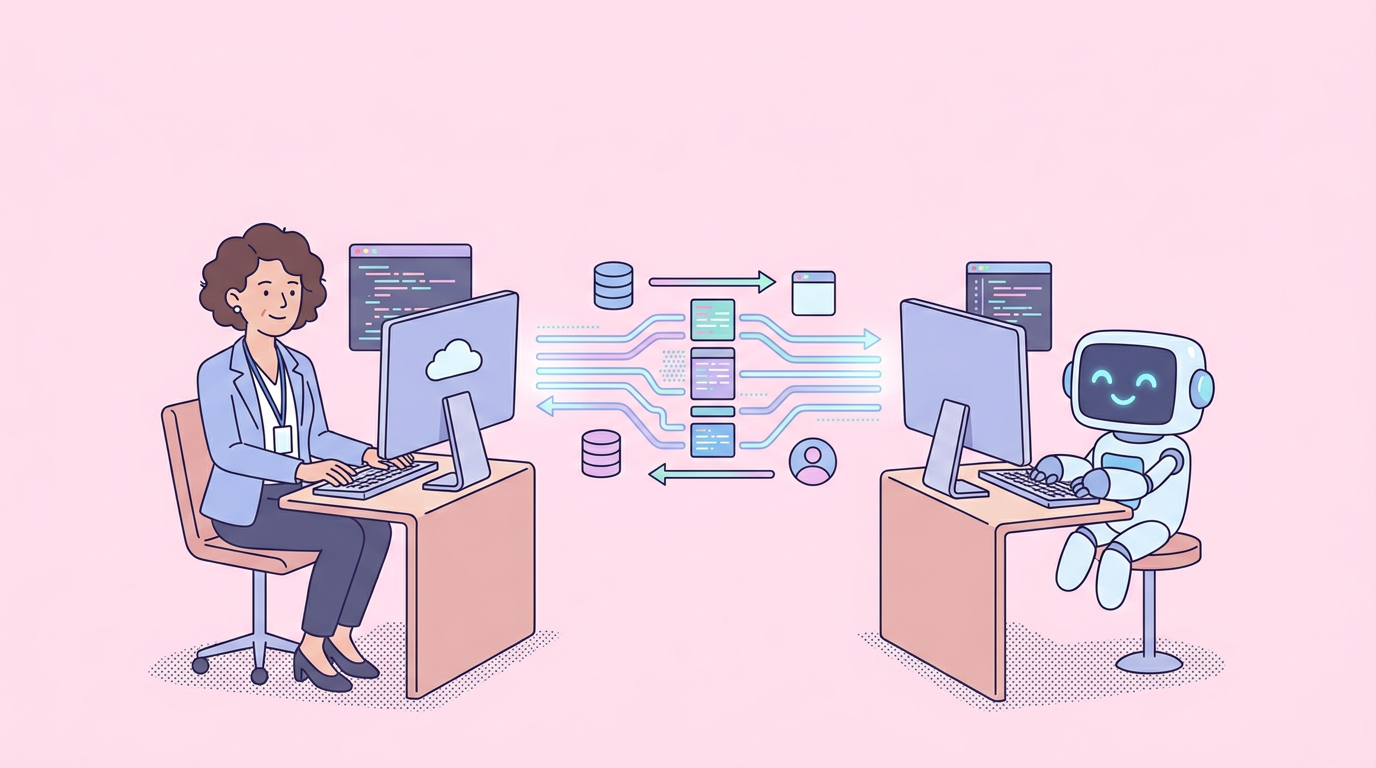
Maintaining API Backwards Compatibility
You've shipped v1 of your API. Clients are using it in production. Now you need to add a feature, fix a design mistake, or change how something works. How do you do it without breaking everyone's code?
This guide covers what breaks backwards compatibility, how to make safe additive changes,
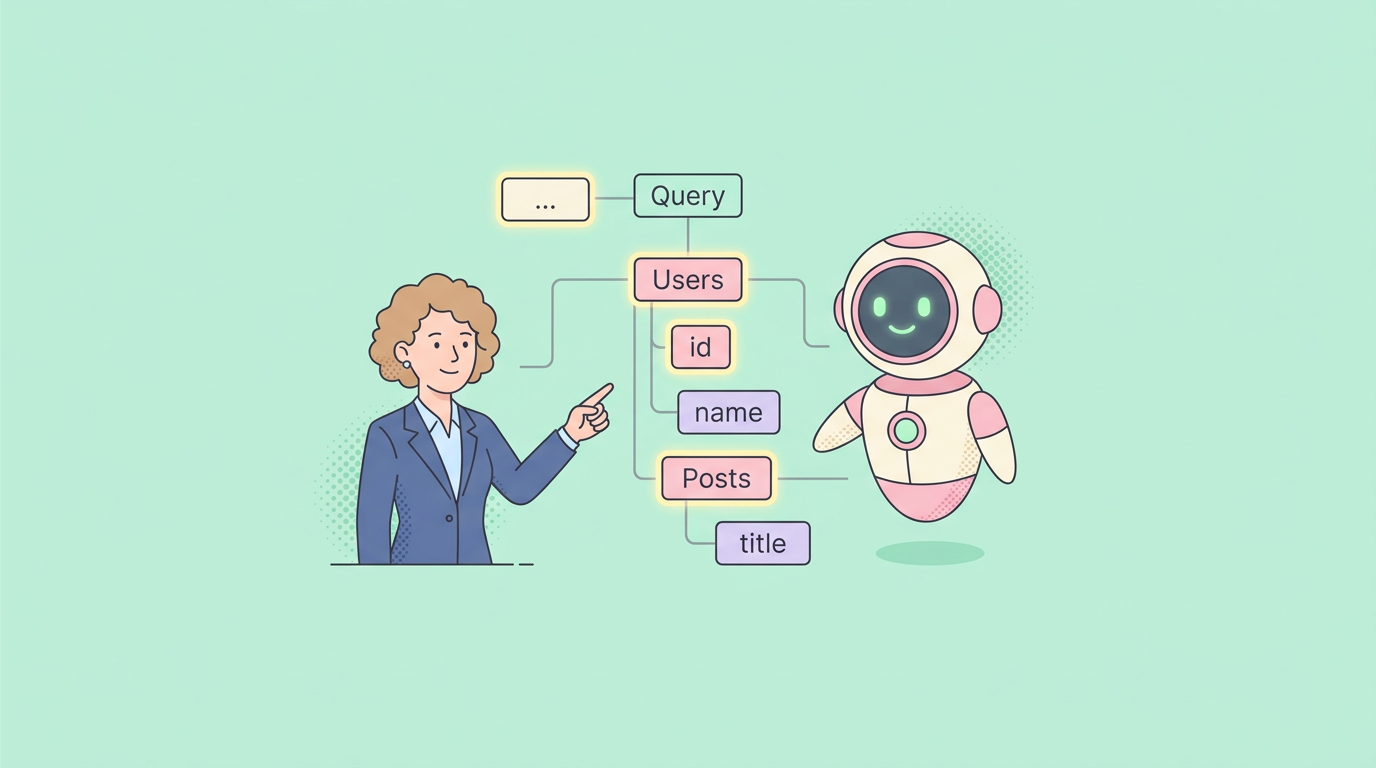
GraphQL Schema Design Best Practices
GraphQL gives you a lot of flexibility in how you design your schema. That flexibility is also a trap — a poorly designed schema is hard to query efficiently, painful to evolve, and confusing for clients.
This guide covers the fundamentals of GraphQL schema design: types, queries, mutations, subscriptions, the N+
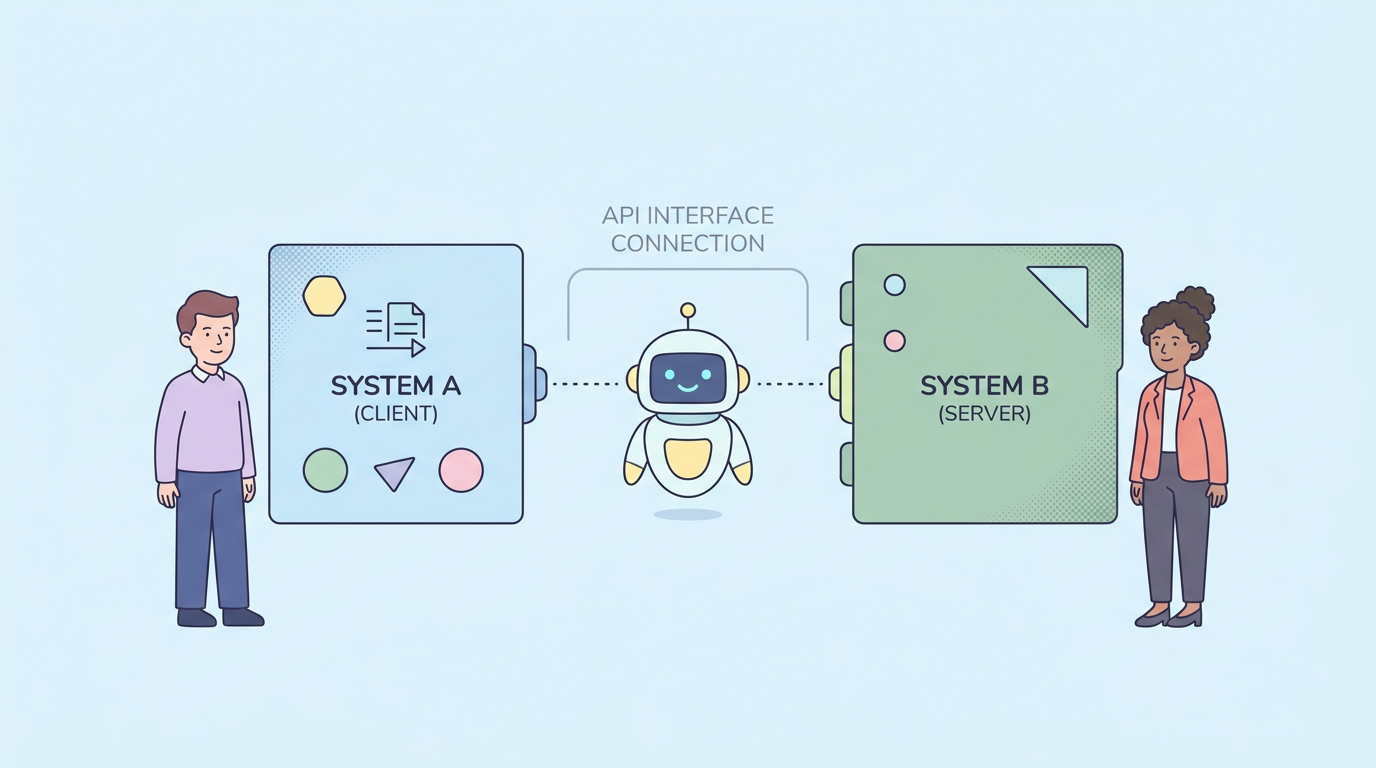
API Design for Mobile Applications
Mobile apps have unique constraints that desktop applications don't face. Limited bandwidth, spotty connections, battery drain, and data caps mean that APIs designed for web browsers often fall short when powering mobile experiences. If you've ever watched a loading spinner for 30 seconds on a slow connection, you know what
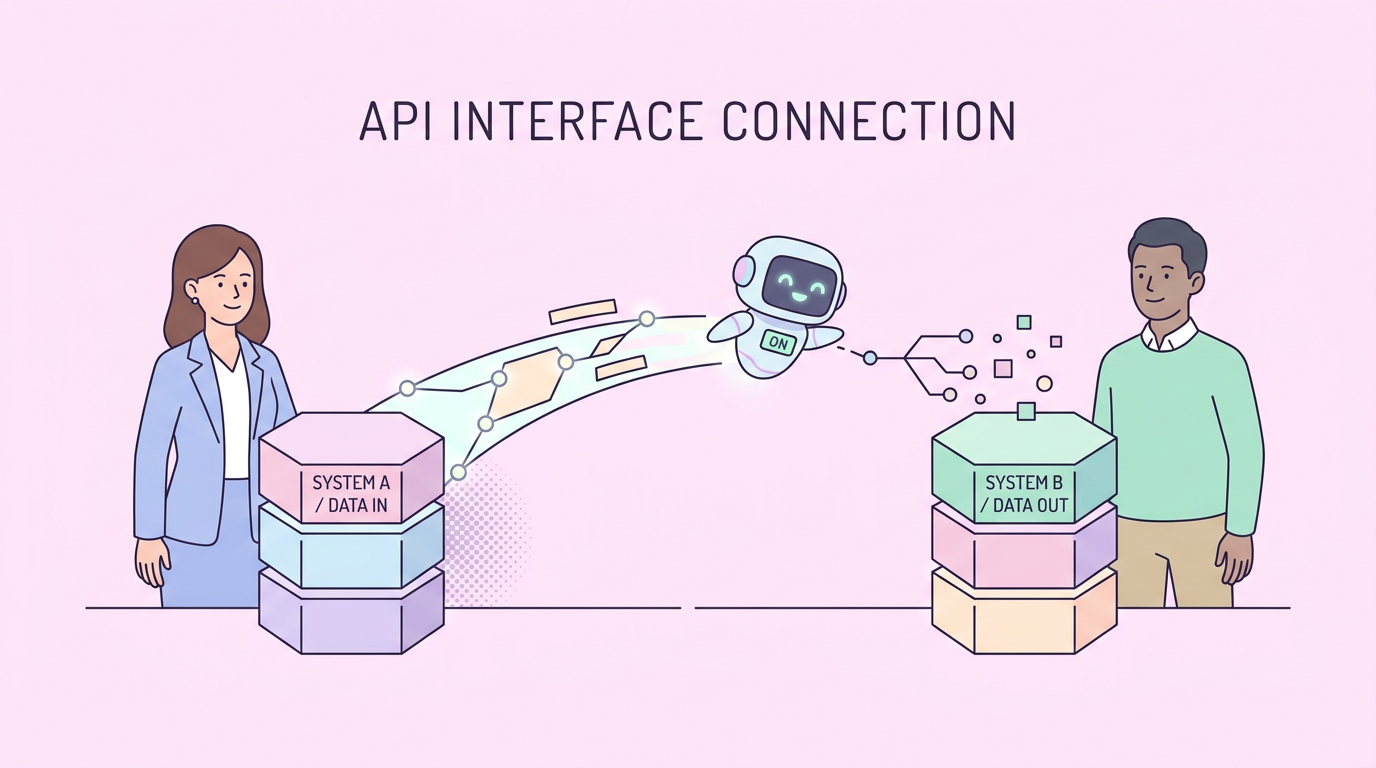
API Monetization Strategies
You built an API. People are using it. Now you need to make money from it.
API monetization isn't just about slapping a price tag on endpoints. It's about finding the right pricing model, building metering infrastructure, reducing friction for developers, and scaling your billing as usage grows.
This guide
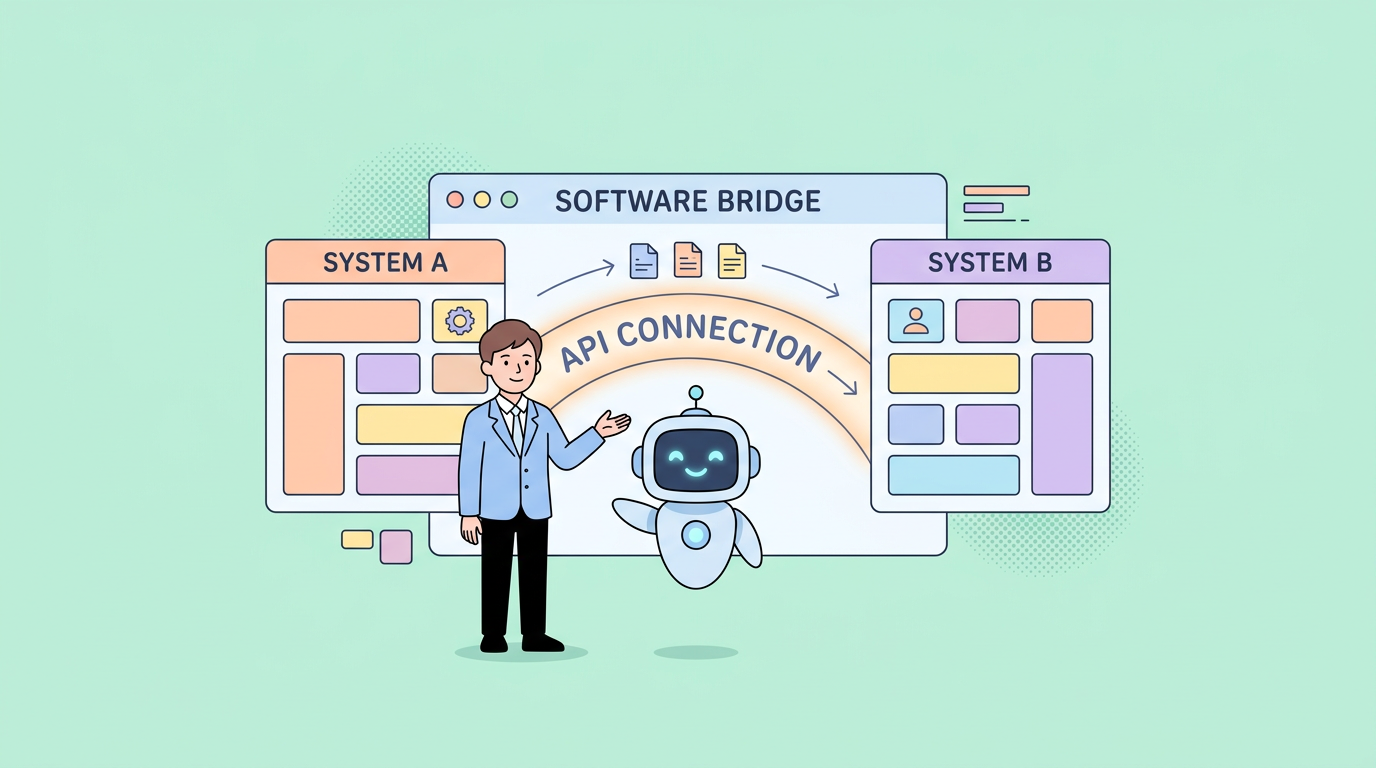
Building Production-Ready APIs
Your API works in development. Tests pass. You're ready to ship.
But production-ready means more than "it works on my machine." It means your API stays up during deployments, recovers from failures automatically, provides clear signals when something's wrong, and gives your team the tools to fix issues fast.
This
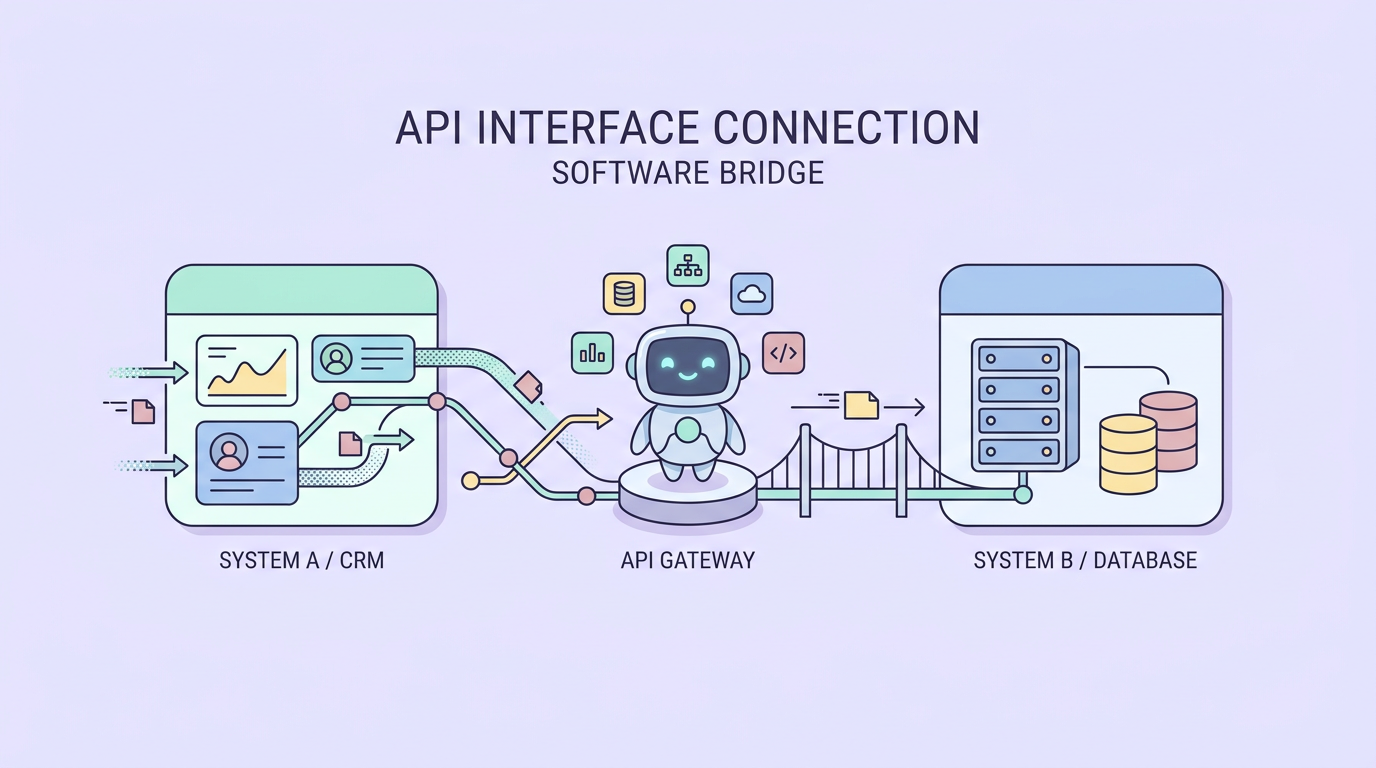
API Changelog and Communication
Nothing frustrates developers more than waking up to a broken integration. An API that changed without warning, a deprecated endpoint that just vanished, or a migration guide buried in a forum post nobody reads. If you've been on the receiving end of that, you know the feeling.
Good API communication

Multi-Tenant API Design Patterns
If you're building a SaaS product, you're building a multi-tenant system. Whether you're serving 10 customers or 10,000, your API needs to keep their data separate, secure, and performant. Get it wrong, and you'll face data leaks, performance bottlenecks, and angry customers.
Multi-tenancy isn't just about adding a tenant_
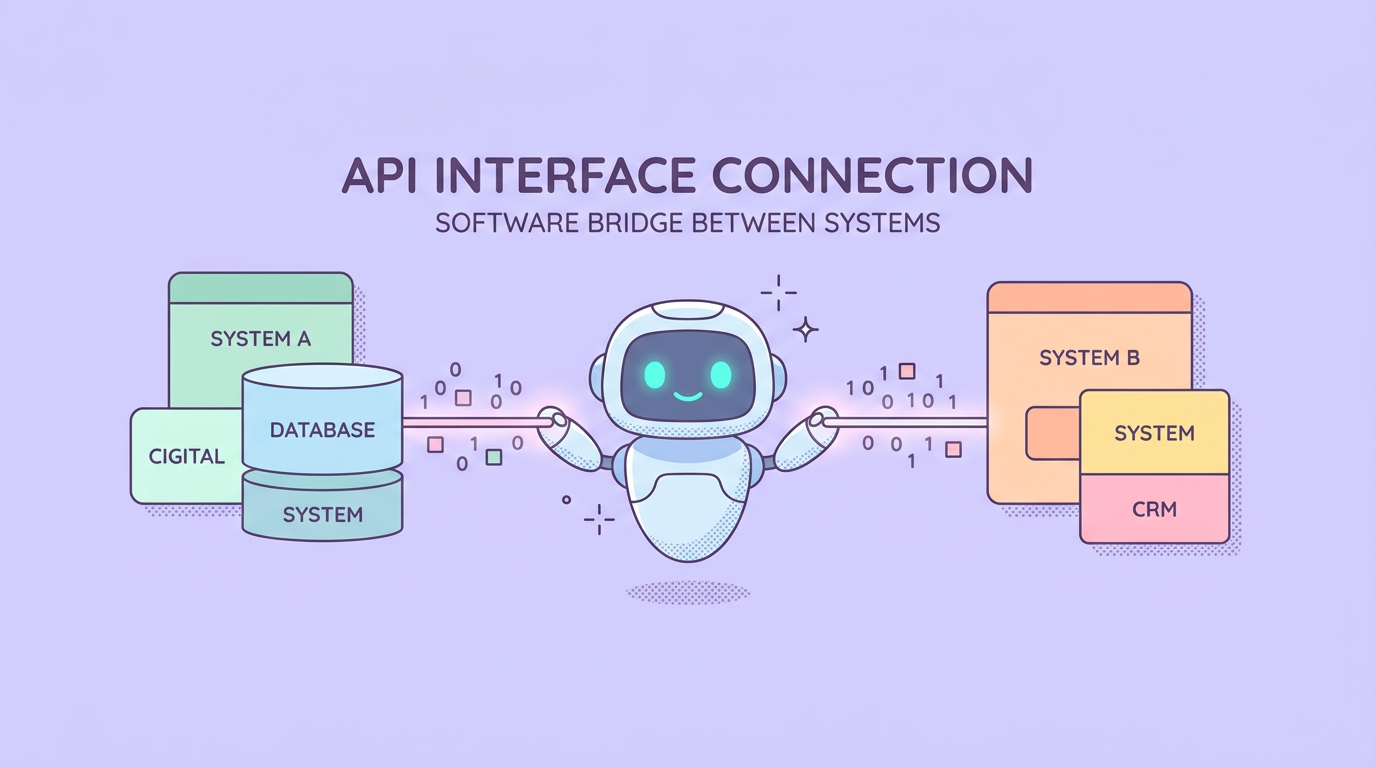
API Testing Automation in CI/CD
Testing APIs manually works fine when you're starting out. But as your API grows and your team ships faster, manual testing becomes a bottleneck. You need automated tests running in your CI/CD pipeline to catch bugs before they reach production.
This guide walks through building a complete API testing

API Versioning Strategies That Work
Should you version APIs with /v1 in URLs, headers, or content negotiation? Compare strategies with pros, cons, and real-world examples.