# 1Locale EN
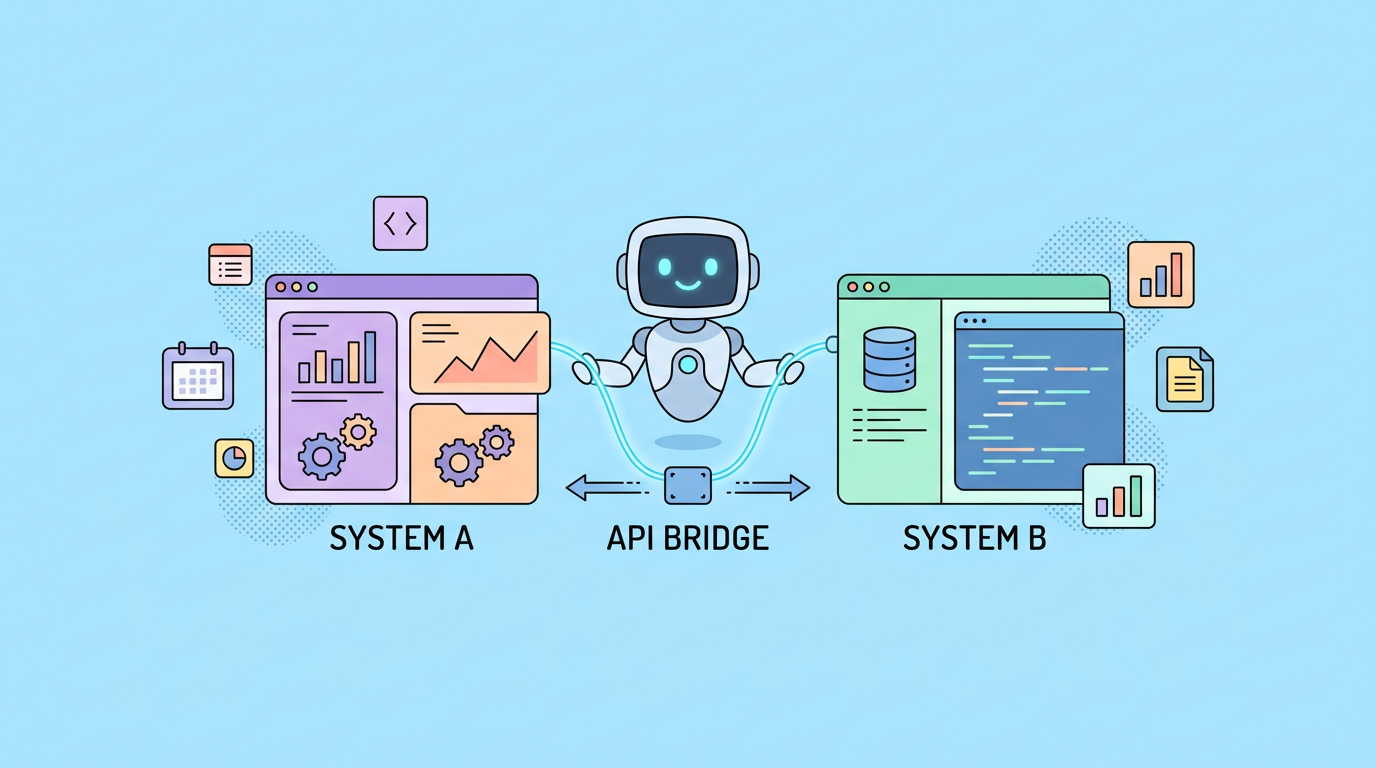
HATEOAS and Hypermedia-Driven APIs
Meta Description: HATEOAS is the most controversial REST constraint. Learn what it is, why few APIs implement it, and when hypermedia links actually make sense.
Keywords: hateoas, hypermedia api, rest maturity model, rest constraints, api design patterns, hypermedia links
Word Count: ~2,000 words
You've built a REST API. It

OpenAPI 3.2 vs 3.1 vs 3.0: What Changed
Meta Description: OpenAPI 3.2 brings JSON Schema 2020-12, webhooks, and improved reusability. Learn what changed from 3.0 and 3.1 and how to upgrade.
Keywords: openapi 3.2, swagger specification, api documentation, openapi upgrade, json schema, api spec
Word Count: ~2,300 words
You're using OpenAPI 3.0
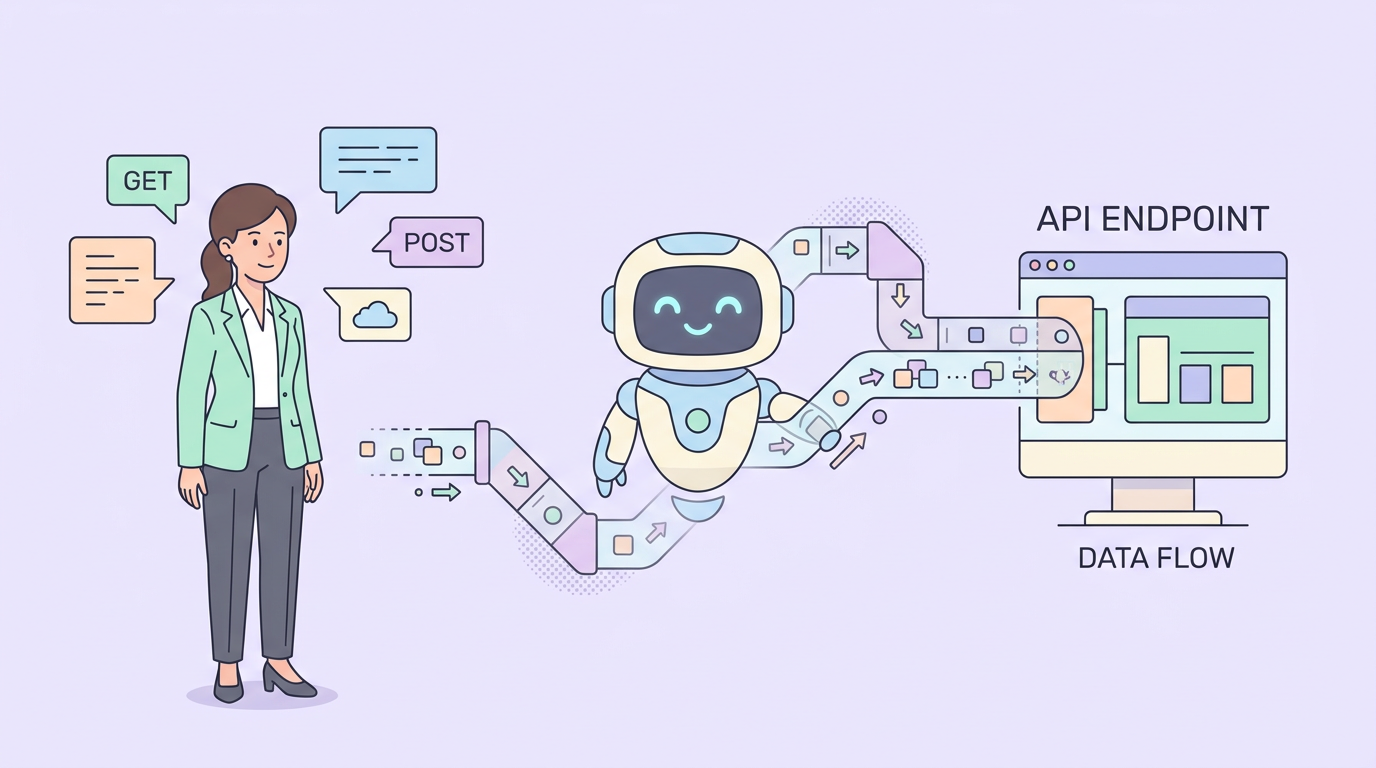
Seven RESTful Design Principles
Meta Description: Build truly RESTful APIs by following these 7 core principles: resources, HTTP methods, statelessness, representations, HATEOAS, caching, and layered architecture.
Keywords: rest principles, api design patterns, restful architecture, rest constraints, api best practices, rest api design
Word Count: ~2,400 words
You call your API "RESTful." But is

REST vs GraphQL vs gRPC: Choosing the Right API
Meta Description: Compare REST, GraphQL, and gRPC for your next API. Learn the strengths, weaknesses, and ideal use cases for each protocol with real examples.
Keywords: api protocols, rest vs graphql, grpc vs rest, api comparison, graphql vs rest, choosing api protocol
Word Count: ~2,500 words
You're building a
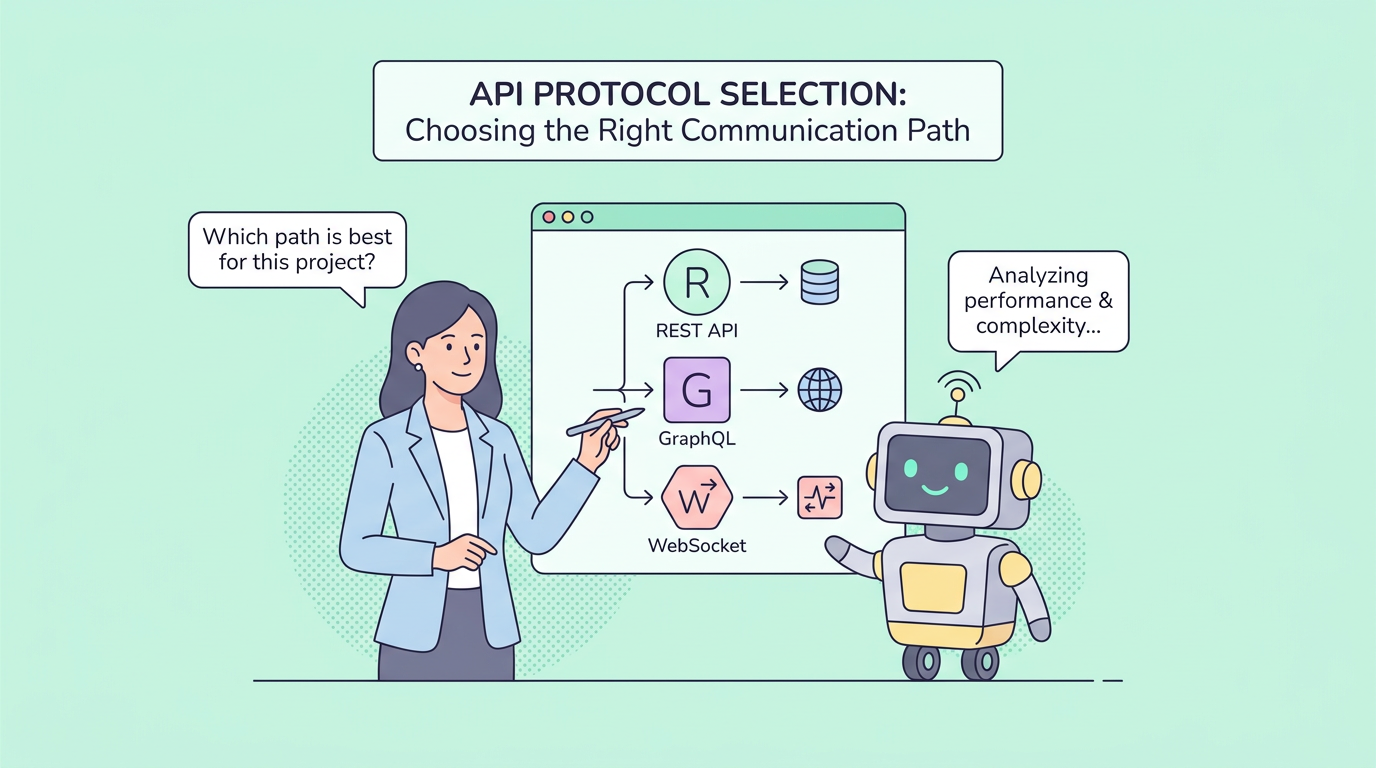
Building Multi-Protocol API Architecture
Meta Description: You don't have to choose just one API protocol. Learn how to support REST, GraphQL, and gRPC simultaneously with shared business logic.
Keywords: multi-protocol api, api gateway, protocol translation, rest graphql grpc, api architecture, polyglot api
Word Count: ~2,300 words
Your mobile team wants GraphQL for flexible

WebSocket vs Server-Sent Events
Meta Description: Need real-time updates in your API? Compare WebSocket and Server-Sent Events (SSE) to choose the right protocol for your use case.
Keywords: websocket, server sent events, real-time api, sse vs websocket, push notifications, real-time communication
Word Count: ~2,200 words
Your API needs real-time updates. Users should see
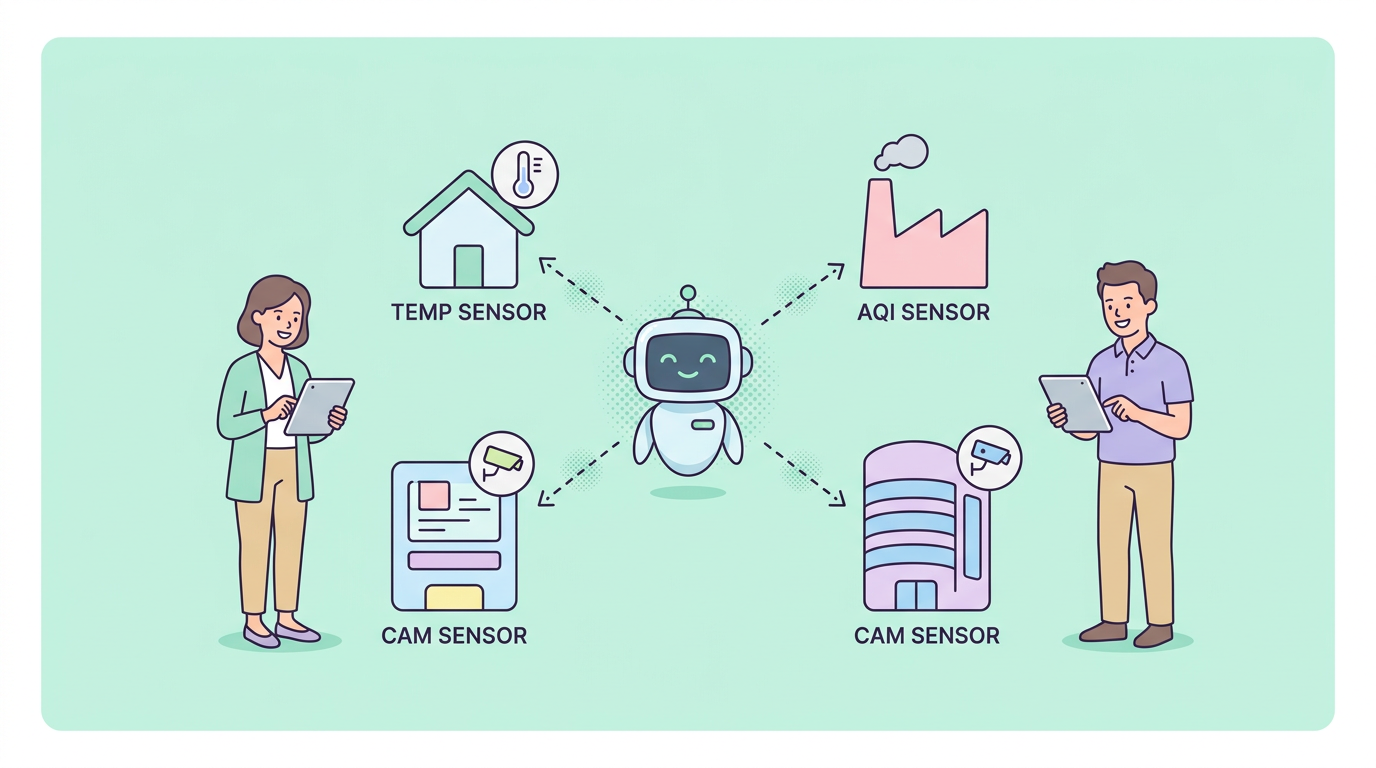
MQTT for IoT APIs: Complete Guide
Meta Description: HTTP is too heavy for IoT devices. Learn how MQTT provides lightweight, reliable messaging for connected devices with minimal bandwidth and battery usage.
Keywords: mqtt protocol, iot api, message queue, mqtt vs http, iot communication, lightweight messaging
Word Count: ~2,100 words
Your IoT device needs to send

Webhooks Done Right: Implementation Guide
Meta Description: Build reliable webhook systems with proper delivery guarantees, retry logic, security verification, and idempotency. Learn from real-world examples.
Keywords: webhooks, event-driven architecture, api callbacks, webhook security, webhook retry, webhook best practices
Word Count: ~2,400 words
Your API needs to notify external systems when events happen. You could
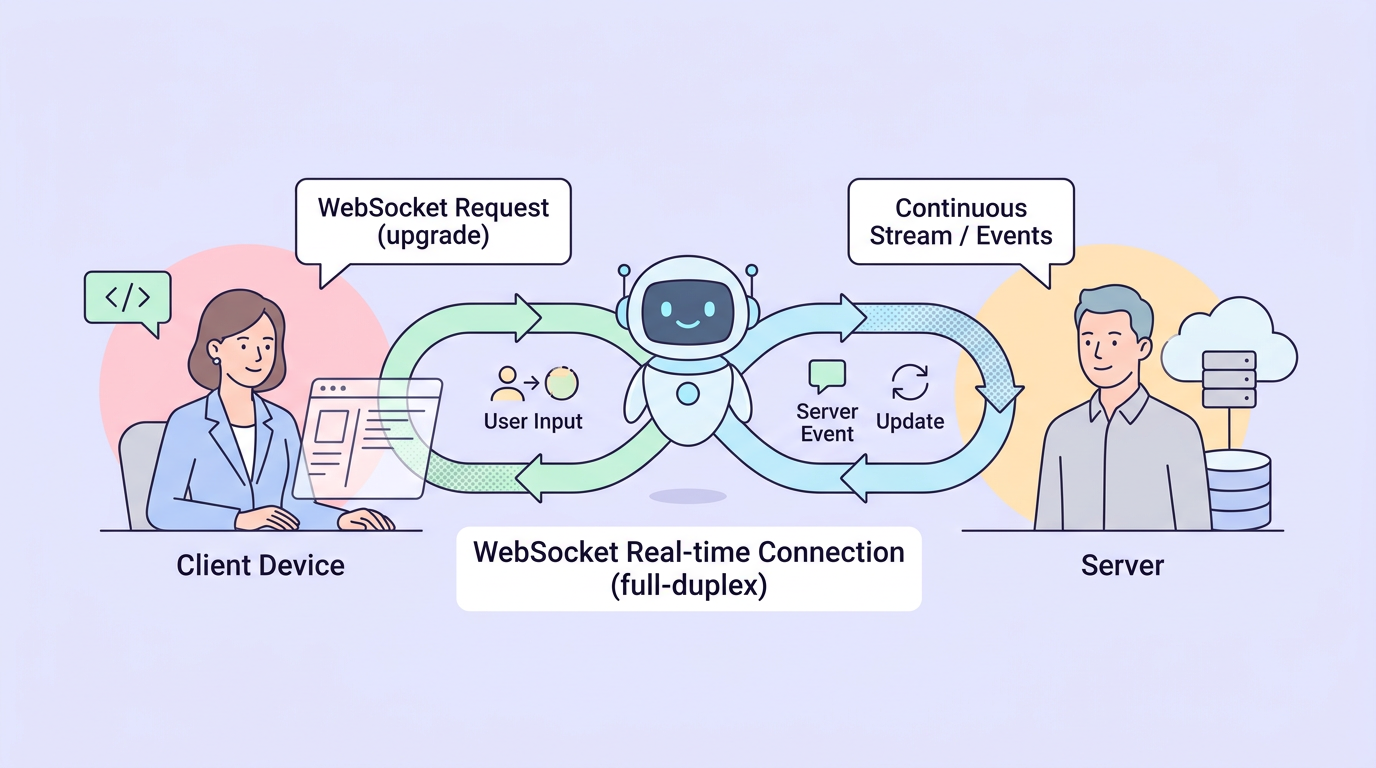
Socket.IO vs Native WebSocket
Meta Description: Socket.IO adds features like automatic reconnection and fallbacks, but adds 200KB to your bundle. Learn when the tradeoff is worth it.
Keywords: socket.io, websocket, real-time communication, socket.io vs websocket, websocket library, real-time api
Word Count: ~2,100 words
You need real-time bidirectional communication. WebSocket is

Introduction to MCP (Model Context Protocol)
Meta Description: Model Context Protocol (MCP) lets AI agents interact with your API. Learn how to expose your API as MCP tools for Claude, GPT, and other LLMs.
Keywords: model context protocol, mcp, ai api integration, llm tools, ai agents, claude api, function calling
Word Count: ~2,200 words
AI

Streaming API Responses with Server-Sent Events
Meta Description: Stream large datasets, real-time updates, and AI-generated content with Server-Sent Events. Learn SSE implementation with examples.
Keywords: server sent events, streaming api, sse protocol, real-time streaming, api streaming, progressive responses
Word Count: ~2,100 words
Your API returns a large dataset. The client waits 10 seconds for the

Event-Driven API Architecture
Meta Description: Move beyond request-response with event-driven architecture. Learn webhooks, message queues, event sourcing, and CQRS patterns for scalable APIs.
Keywords: event-driven architecture, async api, message patterns, event sourcing, cqrs, message queue, event-driven design
Word Count: ~2,400 words
Traditional APIs are request-response. Client asks, server answers. This works for
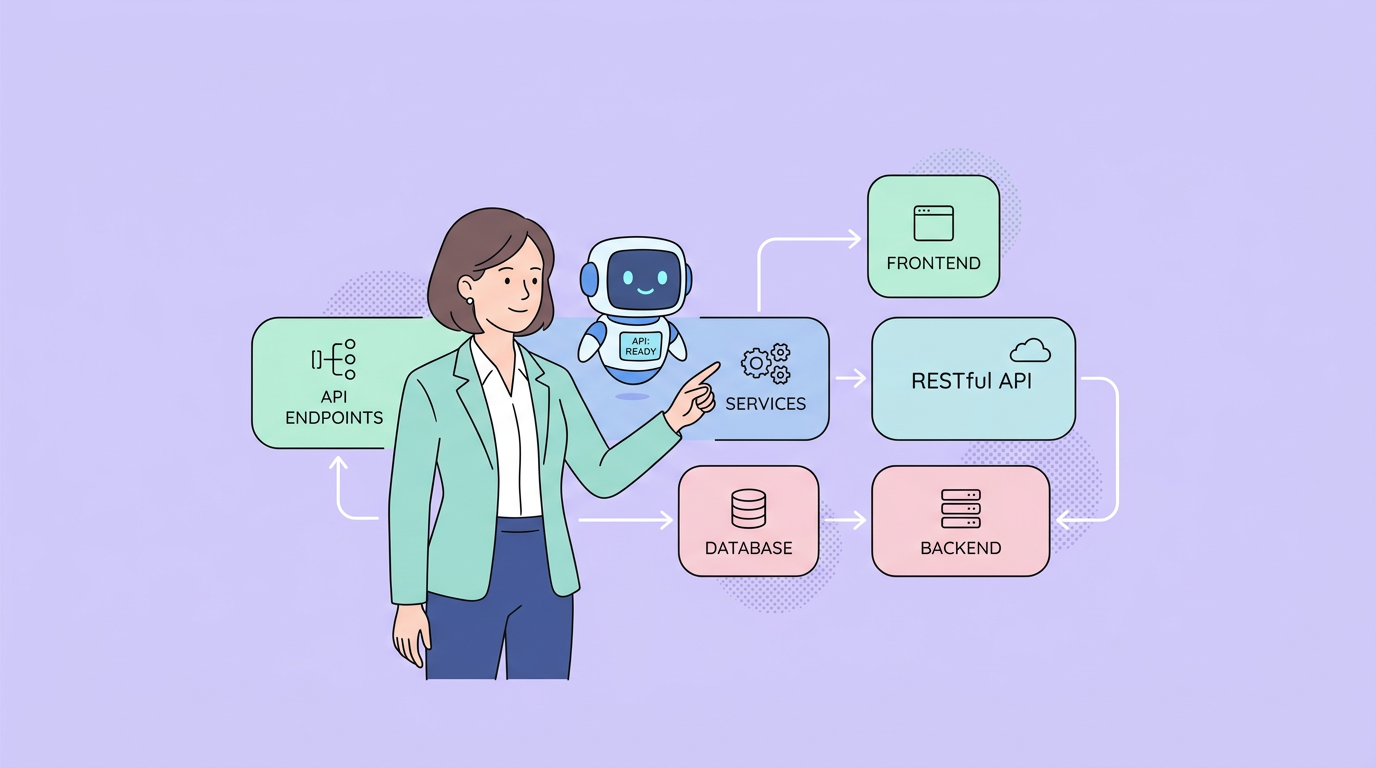
OAuth Scopes and Fine-Grained Permissions
Meta Description: Design OAuth 2.0 scopes for fine-grained API access control. Learn scope naming, hierarchies, and best practices with real examples.
Keywords: oauth scopes, api permissions, access control, oauth 2.0, fine-grained permissions, scope design
Word Count: ~2,300 words
Your API uses OAuth 2.0 for authentication. Users

API Keys vs OAuth vs JWT: Which to Use
Meta Description: Compare API keys, OAuth 2.0, and JWT for API authentication. Learn the strengths, weaknesses, and ideal use cases for each method.
Keywords: api authentication, api keys, oauth 2.0, jwt tokens, authentication methods, api security
Word Count: ~2,400 words
You need to authenticate API requests. Should

How to Secure REST APIs Against the OWASP Top 10
Meta Description: Protect your REST API from the OWASP Top 10 vulnerabilities. Learn practical defenses against injection, broken auth, excessive data exposure, and more.
Keywords: api security, owasp top 10, rest api security, api vulnerabilities, broken authentication, injection attacks
Word Count: ~2,500 words
The OWASP API Security Top 10

Understanding CORS and Cross-Origin Requests
Meta Description: Understand CORS (Cross-Origin Resource Sharing) for REST APIs. Learn preflight requests, credentials, and how to configure CORS securely.
Keywords: cors, cross-origin requests, cors headers, preflight requests, api cors, cors configuration
Word Count: ~2,200 words
Your API works perfectly in Postman. But when you call it from a