# 1Locale EN

API Security Best Practices Checklist
Meta Description: Secure your REST API with this comprehensive checklist covering authentication, authorization, encryption, rate limiting, input validation, and more.
Keywords: api security, security best practices, api security checklist, secure api design, api hardening
Word Count: ~2,300 words
Your API is live. But is it secure?
Security isn't one
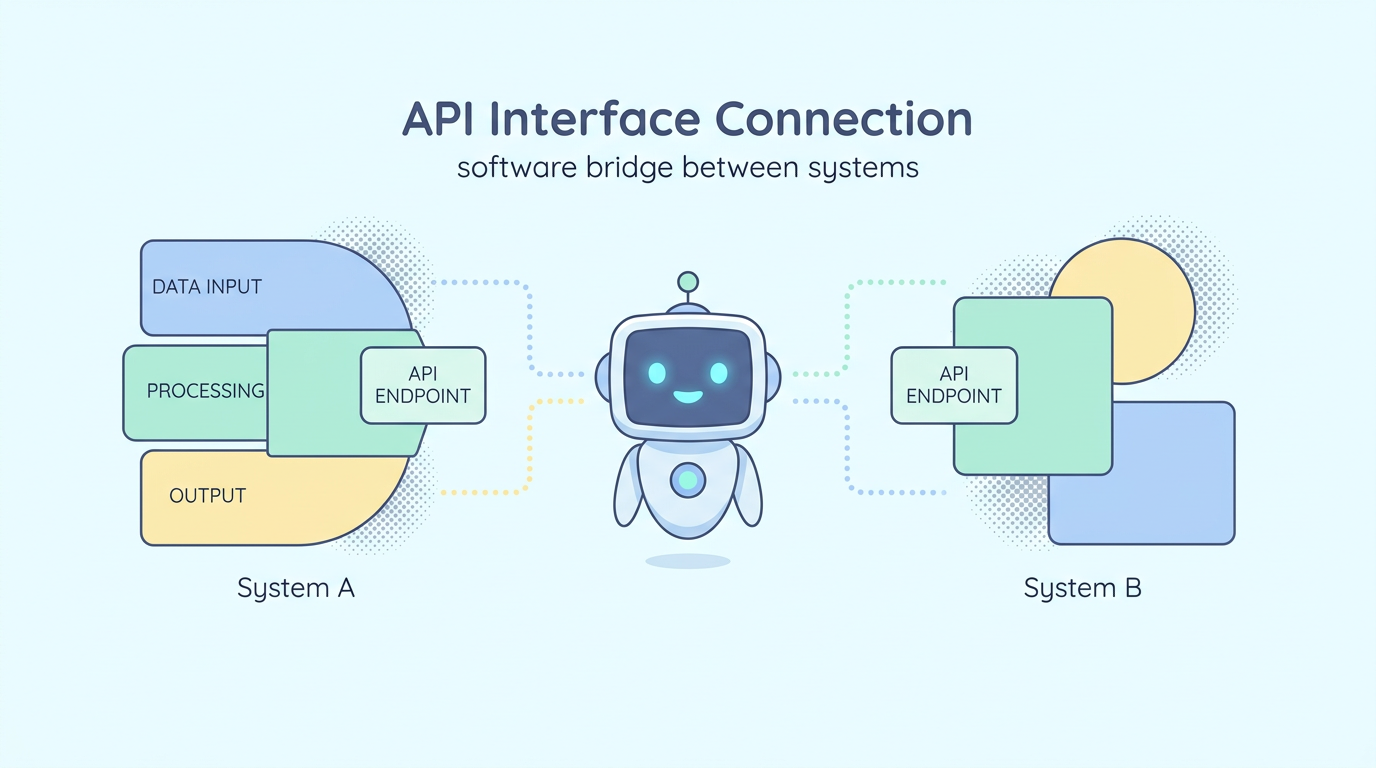
Preventing API Abuse with Rate Limiting
Meta Description: Stop API abuse with rate limiting, throttling, and quotas. Learn algorithms, implementation strategies, and how to communicate limits to clients.
Keywords: api abuse prevention, rate limiting, api throttling, api quotas, abuse detection, api protection
Word Count: ~2,300 words
Your API is getting hammered. One client is making

API Key Management Best Practices
Meta Description: Manage API keys securely with proper generation, storage, rotation, and revocation. Learn best practices for key prefixes, hashing, and lifecycle management.
Keywords: api key management, api key security, key rotation, api key generation, secure api keys, key revocation
Word Count: ~2,200 words
Your API uses API keys

Auto-Generating SDKs from OpenAPI Specs
Meta Description: Generate client SDKs automatically from OpenAPI specs. Learn tools, best practices, and how to maintain type-safe SDKs for multiple languages.
Keywords: sdk generation, openapi sdk, api client generation, openapi generator, type-safe sdk, client libraries
Word Count: ~2,300 words
You've built an API. Now developers need client libraries

Comprehensive API Testing Strategies
Meta Description: Test your REST API thoroughly with unit tests, integration tests, and contract tests. Learn tools, patterns, and best practices for reliable APIs.
Keywords: api testing, integration testing, contract testing, unit testing, api test automation, rest api testing
Word Count: ~2,300 words
Your API works in development. But
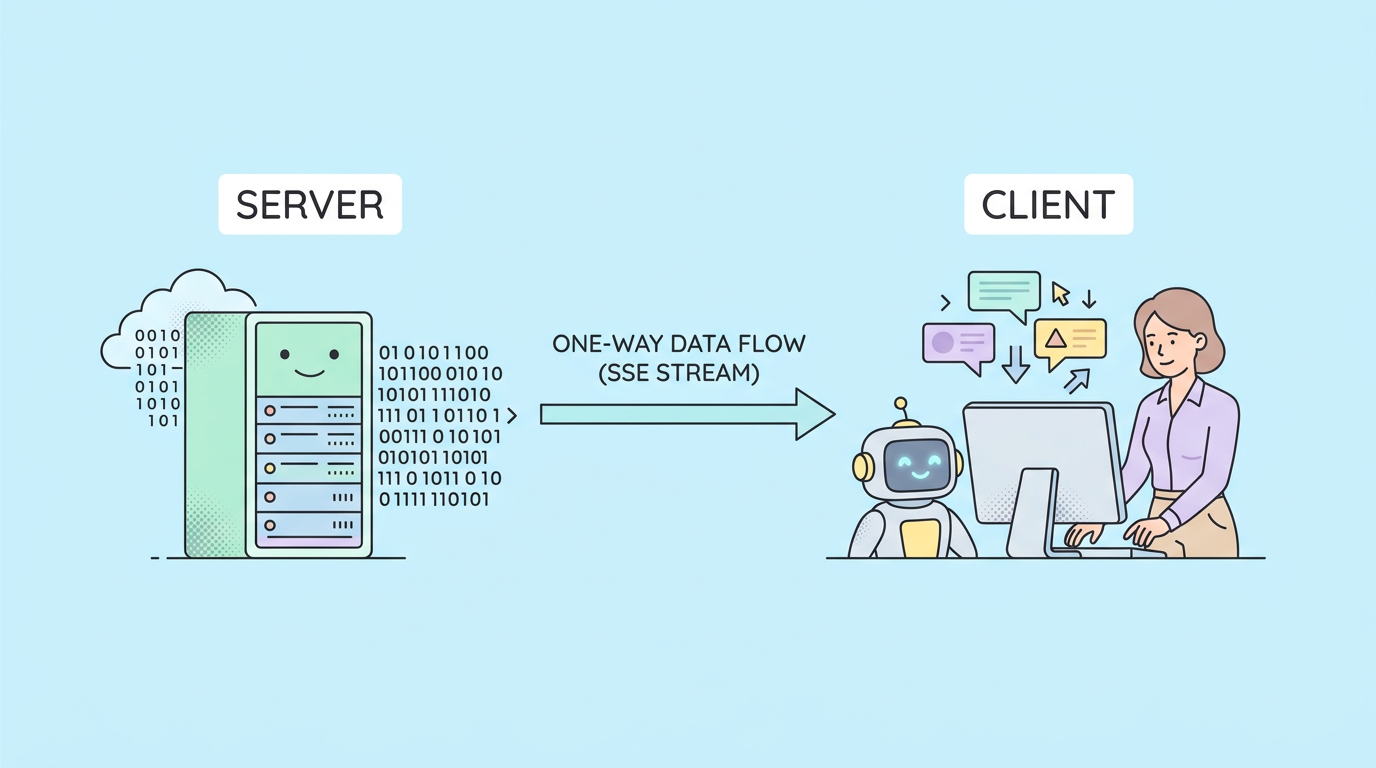
Essential API Debugging Tools
Meta Description: Debug REST APIs effectively with Postman, cURL, HTTPie, and browser DevTools. Learn request inspection, response analysis, and troubleshooting techniques.
Keywords: api debugging, postman, curl, api testing tools, rest api debugging, api troubleshooting, httpie
Word Count: ~2,200 words
Your API returns an error. But why? Is it the
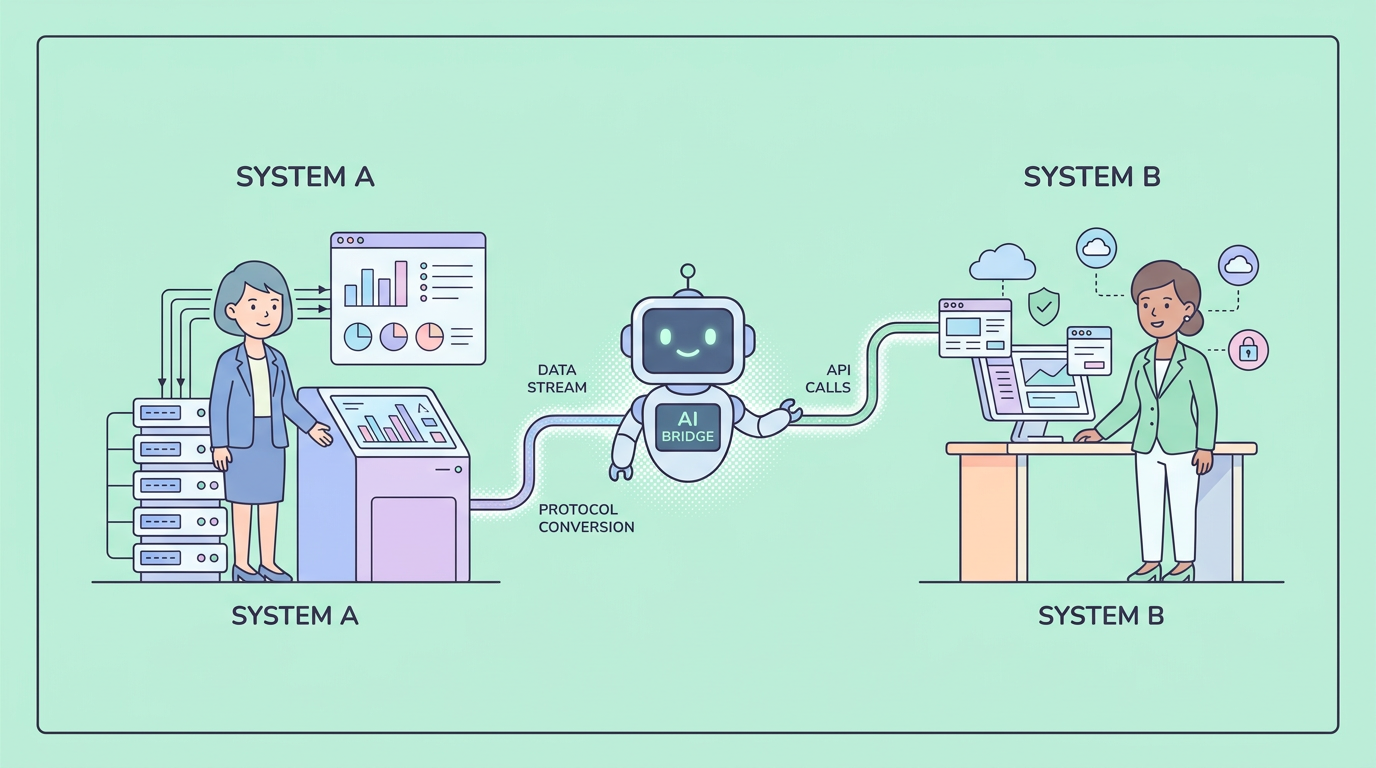
API Versioning Best Practices
If you've ever worked with APIs, you know that change is inevitable. New features get added, bugs get fixed, and sometimes you need to make breaking changes that could disrupt existing clients. That's where API versioning comes in.
Versioning your API isn't just a nice-to-have—it's essential for maintaining backward

API Pagination Deep Dive
If you're building an API that returns lists of data, you'll quickly run into a problem: what happens when that list has thousands or millions of items? You can't return everything at once—it would be slow, memory-intensive, and probably crash someone's browser.
That's where pagination comes in. But pagination

API Error Handling Patterns
Error handling is one of the most overlooked aspects of API design. When things go wrong—and they will—how your API communicates errors can make the difference between a frustrated developer and a happy one.
I've seen APIs that return 200 OK with an error message in the body.

Webhooks vs Polling: When to Use Each
You're building an integration between two systems. One system needs to know when something happens in the other. Maybe it's when a new order is placed, when a payment completes, or when a user signs up.
You have two main options: polling or webhooks. Polling means repeatedly asking "did anything

API Documentation Best Practices
If you've ever stared at a wall of text trying to figure out how to make your first API call, you know exactly why documentation matters. Good API docs can make or break developer adoption. Great docs turn a curious developer into a loyal user in under 30 minutes.
This

REST API Design Patterns
REST is simple in theory. In practice, you'll hit a dozen design decisions before you've defined your third endpoint. Should this be a nested resource or a query parameter? When do you use PUT vs PATCH? How do you handle bulk operations without breaking REST conventions?
This guide covers the

API Response Design Best Practices
The response your API sends back is the only thing most developers will ever see. You can have the cleanest internal architecture in the world, but if your responses are inconsistent, hard to parse, or missing critical metadata, developers will struggle.
This guide covers how to design API responses that
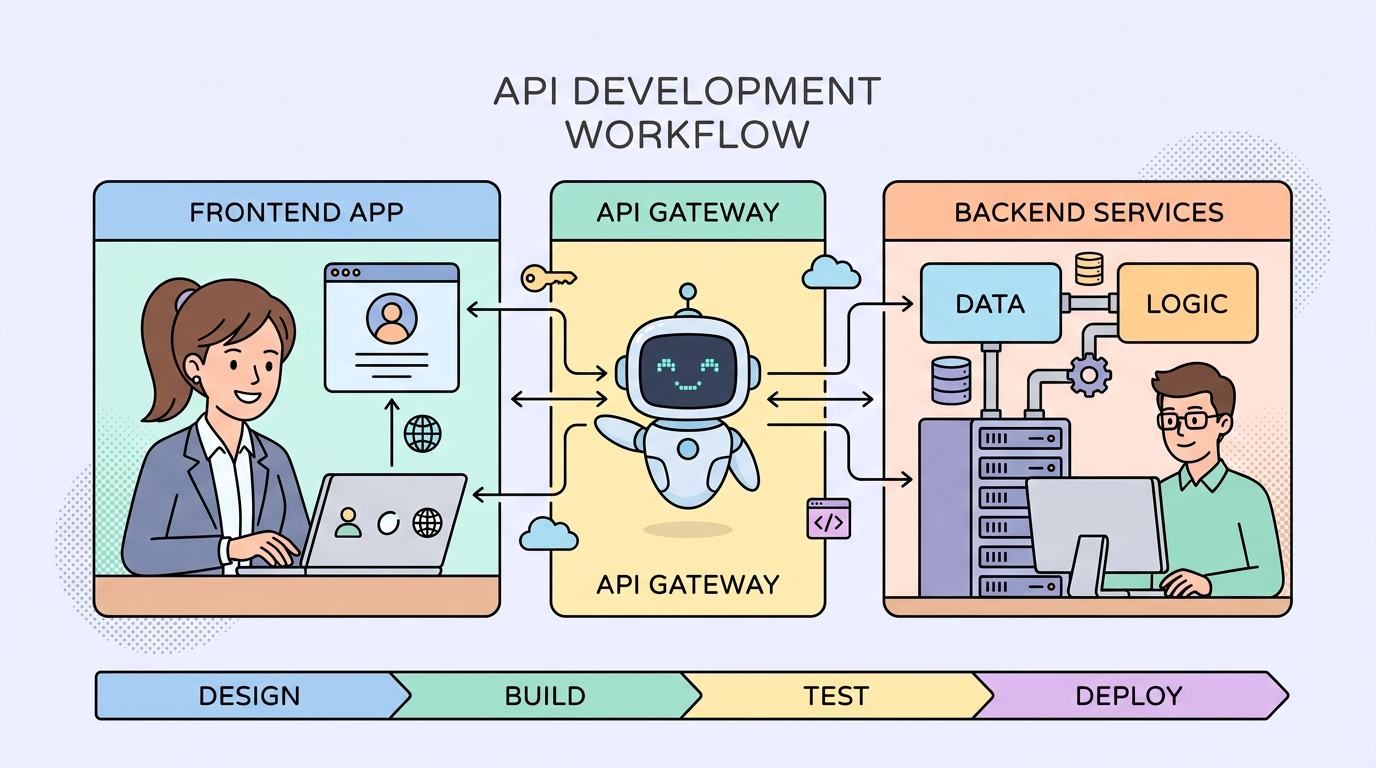
Building a Developer Portal
A developer portal is more than a place to dump your API docs. Done well, it's the difference between a developer who gives up after 20 minutes and one who builds something real with your API and tells their team about it.
This guide covers what to include, how to

Microservices API Gateway Pattern
When you're building modern applications, you'll quickly realize that managing dozens of microservices can get messy. Each service has its own API, authentication requirements, and rate limits. That's where API gateways come in—they're the traffic controllers of your microservices architecture.
What Is an API Gateway?
Think of an API
API Monitoring and Alerting
You've built a great API, deployed it to production, and users are starting to rely on it. Now comes the hard part: keeping it running smoothly. Without proper monitoring and alerting, you're flying blind—you won't know when things break until users start complaining.
Let's fix that.
Why API Monitoring