# 1Locale EN

API Versioning Strategies That Work
Should you version APIs with /v1 in URLs, headers, or content negotiation? Compare strategies with pros, cons, and real-world examples.

Complete Guide to Securing API Endpoints
Secure your API endpoints with proper authentication, authorization, encryption, and input validation. Complete guide with implementation examples.
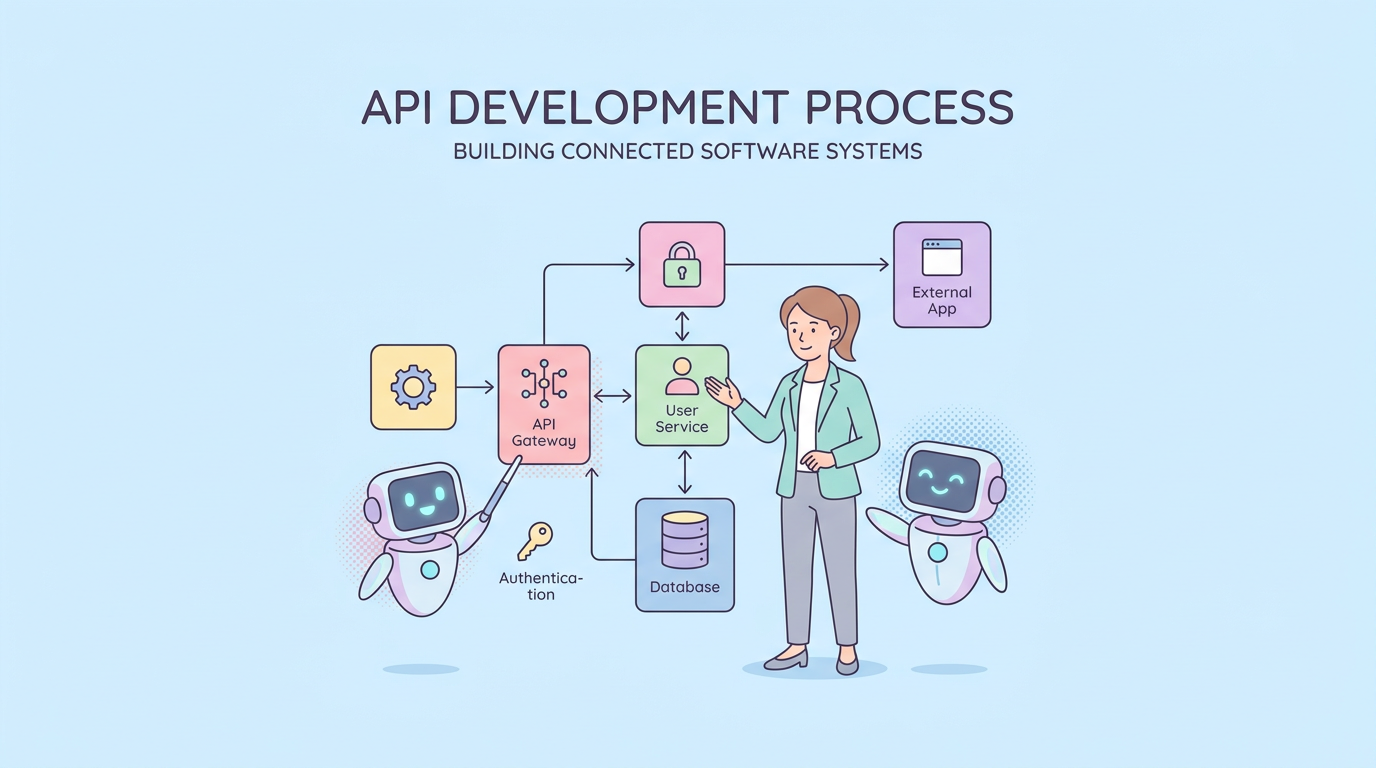
Pagination That Scales to Millions of Records
Offset-based pagination breaks at scale. Learn why cursor-based pagination is better and how to implement it in REST APIs with real examples.
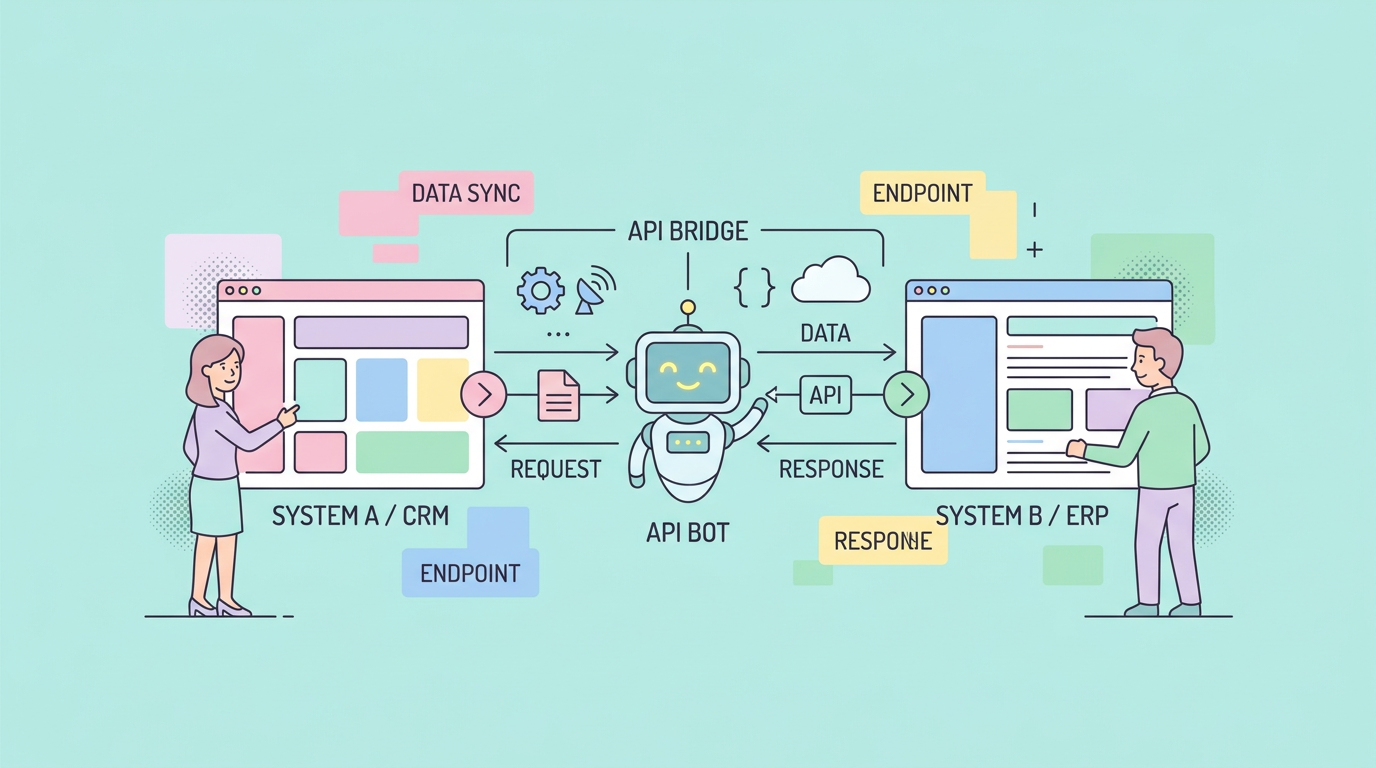
How to Write API Docs Developers Actually Read
Technical accuracy isn't enough. Learn how to write API documentation that developers love with examples, code samples, and clear structure.

RFC 9457 Standard Error Format for APIs
Stop inventing custom error formats. RFC 9457 Problem Details provides a standard way to return HTTP API errors with machine-readable context.
Complete Guide to HTTP Status Codes
Learn when to use 200, 201, 204, 400, 404, 422, and 500 status codes in REST APIs. Complete guide with examples from Modern PetStore API.

REST API Best Practices 2026
Learn the essential REST API best practices for 2026, from HTTP/3 and OpenAPI 3.1 to JSON:API vs custom JSON, cursor pagination, idempotency keys, robust security, and performance optimizations that make your APIs fast, secure, and developer-friendly.

API Idempotency: Safe Retries
Idempotency makes your APIs safe to retry without creating duplicate orders or corrupting data. Learn which HTTP methods are idempotent by design and how to implement idempotency keys with Redis and database constraints using the PetStore API example.
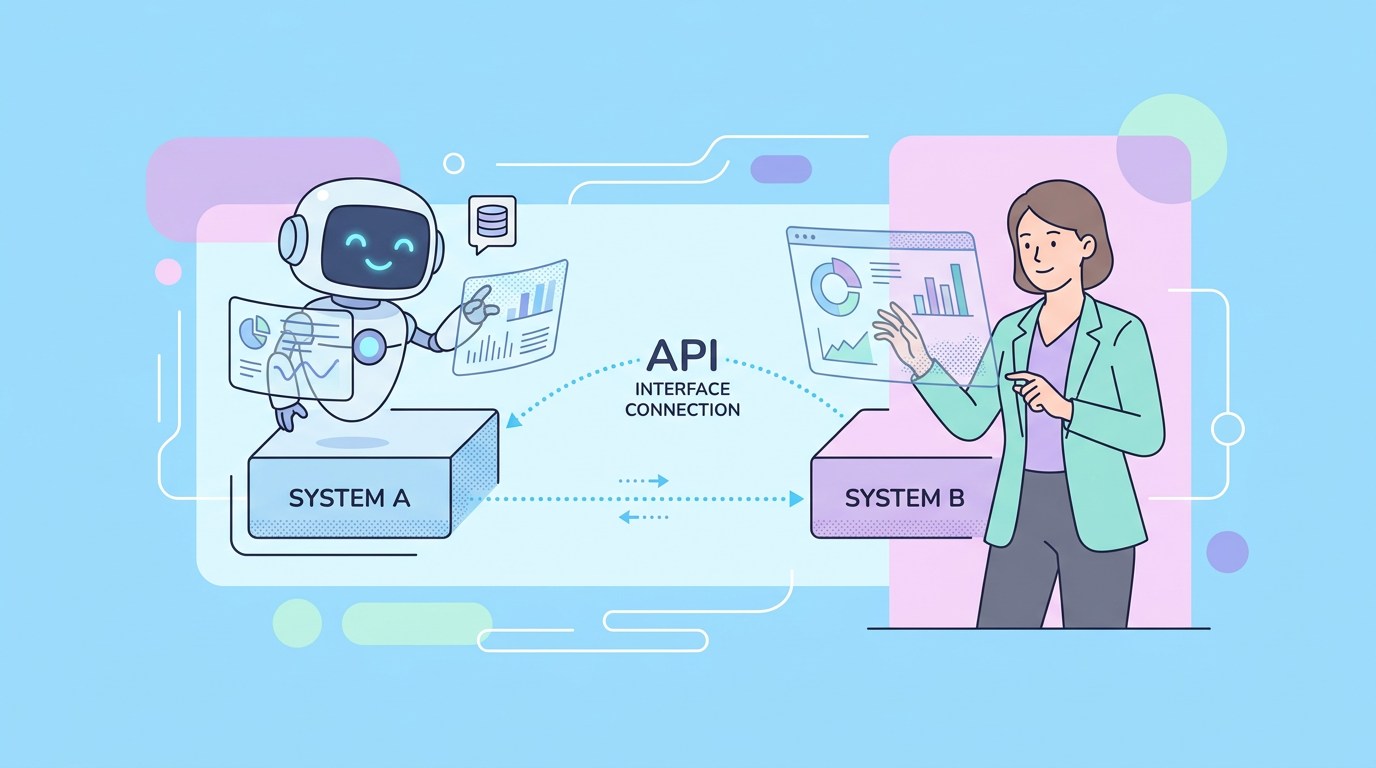
Building Serverless APIs
Learn how to build Serverless APIs
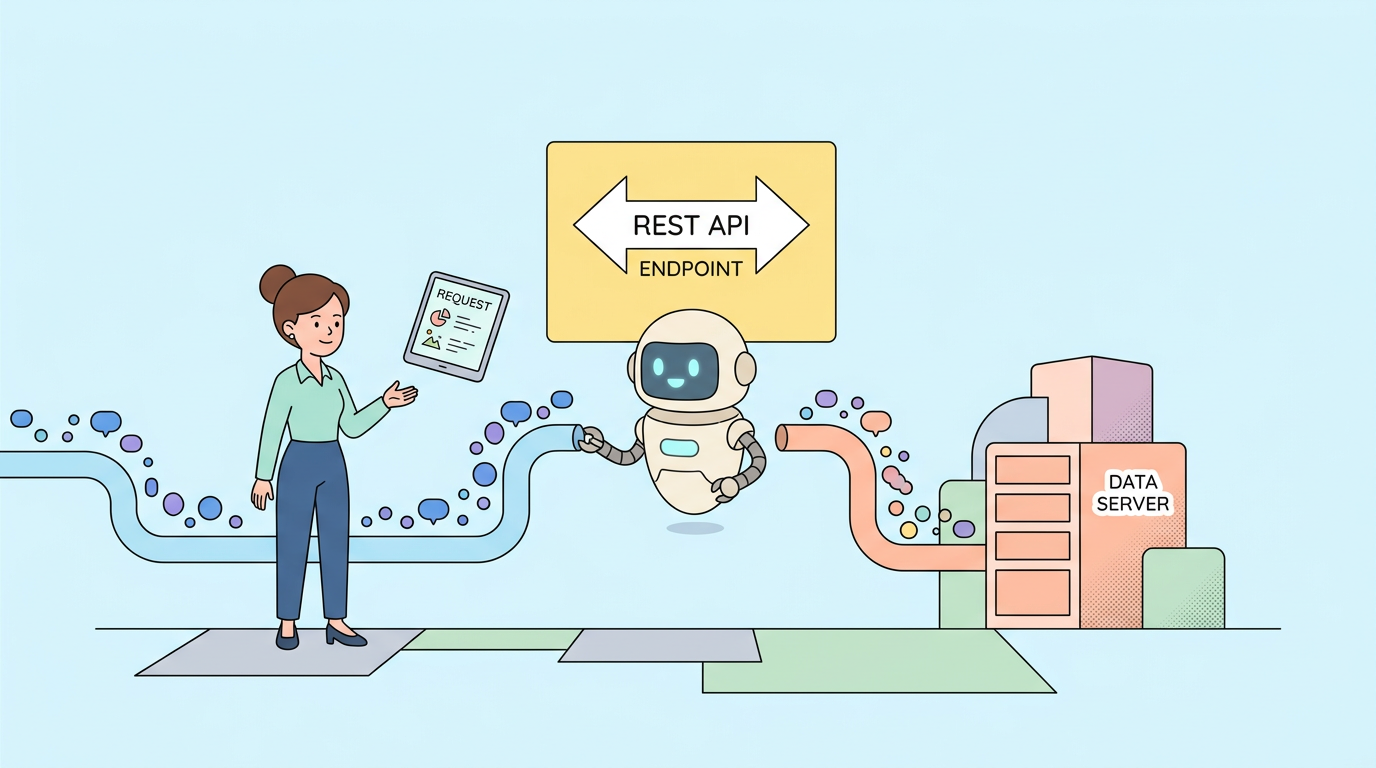
Stop Using Action Verbs in REST API URLs
Action verbs like /findByStatus and /searchUsers violate REST principles. Learn why URLs should be nouns, not verbs, and how to design resource-oriented APIs.
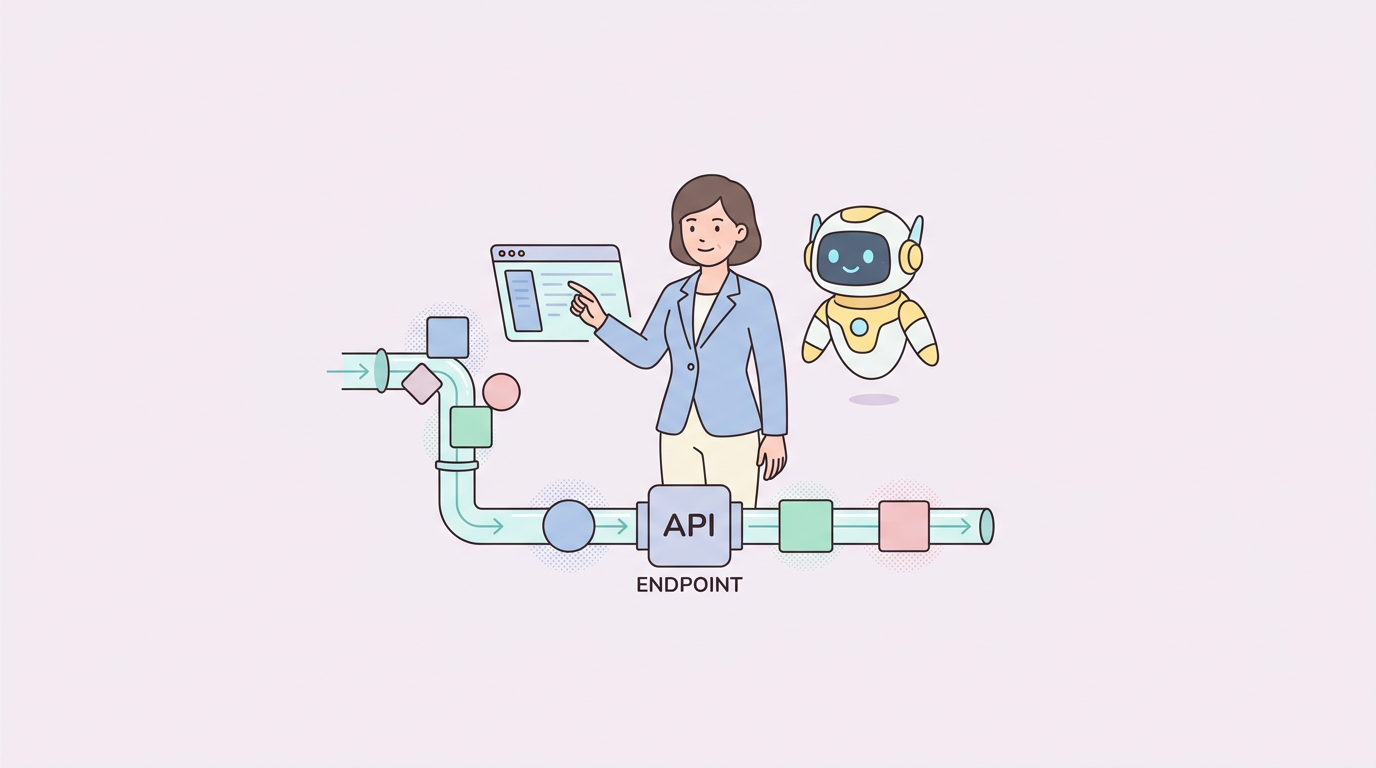
Plural vs Singular Resource Naming in REST APIs
Should your REST API use /pet or /pets? This seemingly small decision affects consistency, readability, and developer experience. Learn why plural naming wins.

Why the Old Swagger Petstore Is Teaching You Bad API Design
The classic Swagger Petstore example violates basic RESTful principles. Learn what's wrong with it and how Modern PetStore API fixes these critical design flaws.
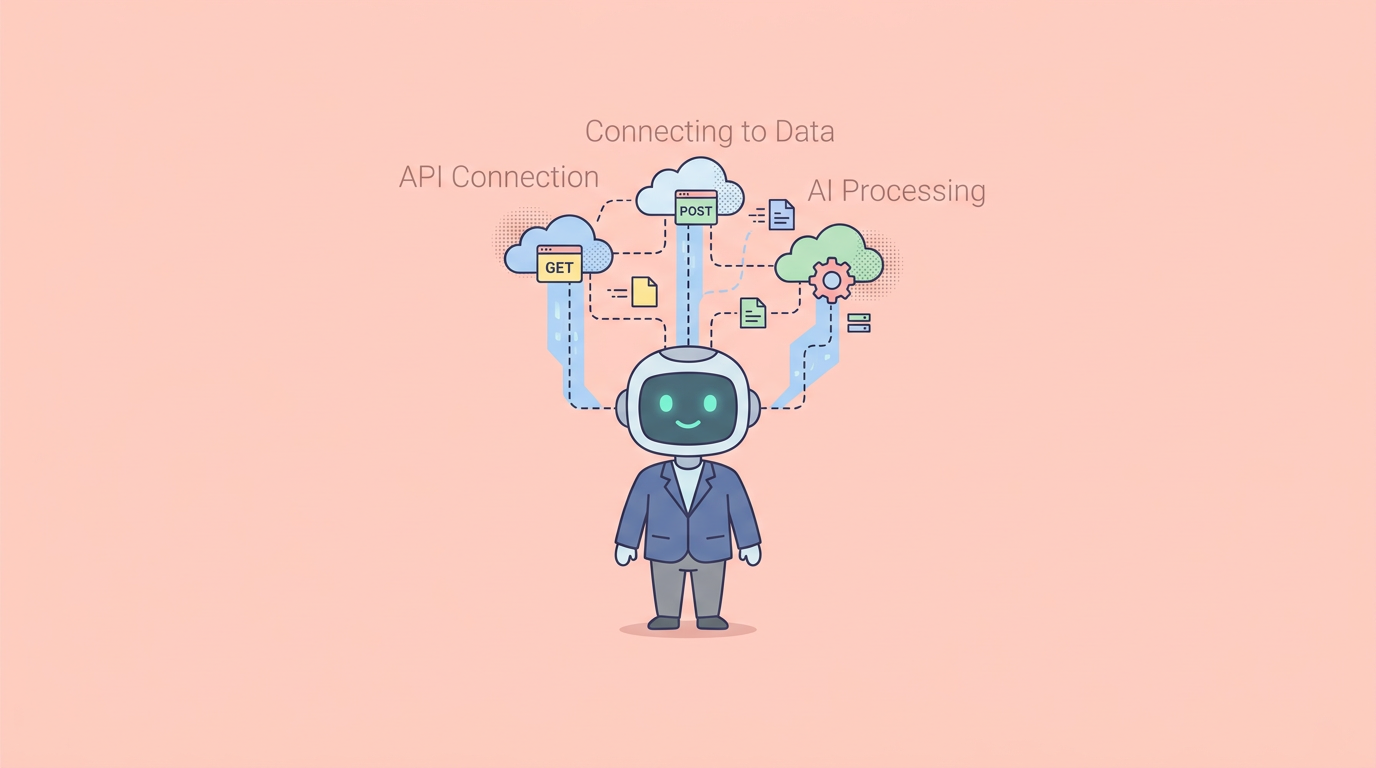
How to Connect AI Assistants to Your API with MCP
Learn how to connect AI assistants to your API using Model Context Protocol (MCP), by exposing Pet Store API operations as tools and resources so any MCP‑compatible model can securely call `get_pet`, list pets, and create orders with real‑time, permissioned access to your data.
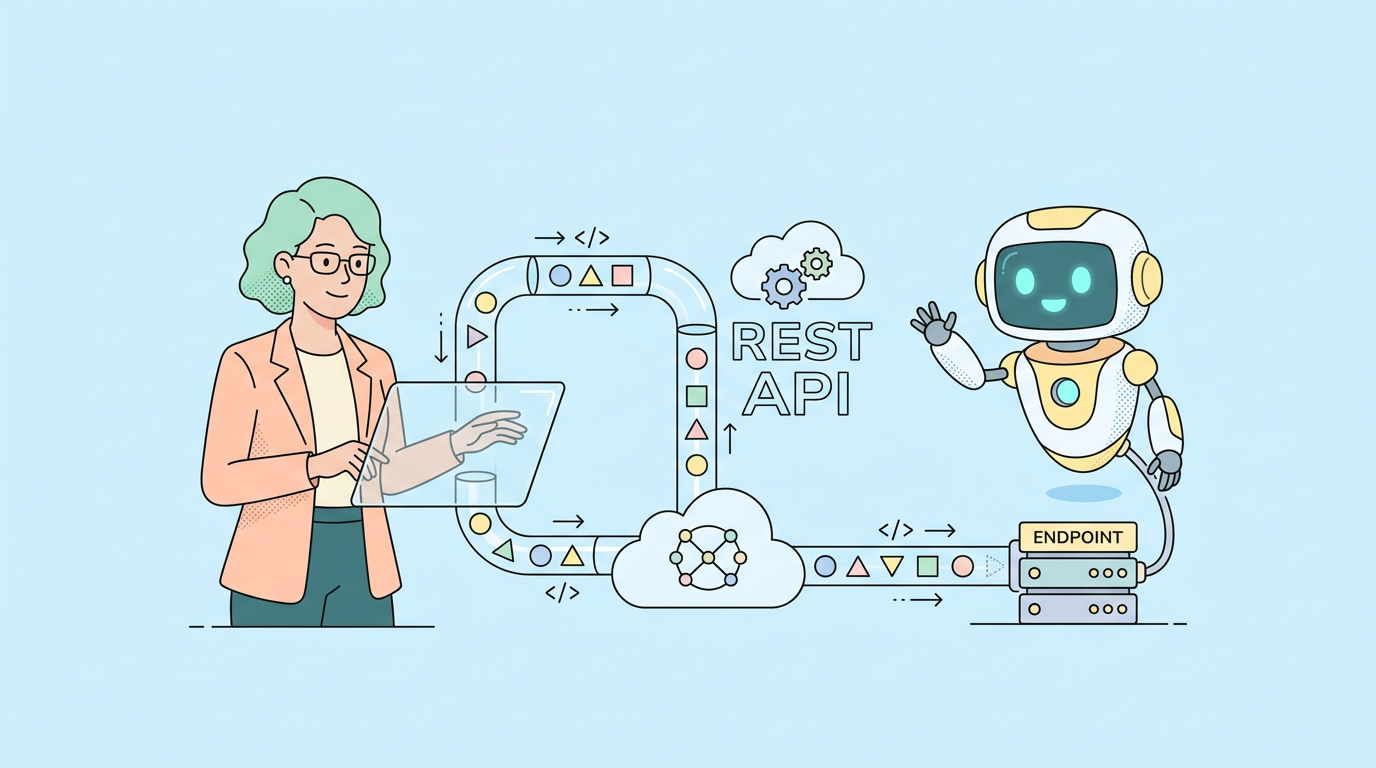
What is REST API? A Complete Beginner's Guide
Learn what gRPC is, how Protocol Buffers and HTTP/2 make it dramatically faster than REST, and when to use unary and streaming RPCs for high-performance microservices, real-time data, and mobile clients with the Pet Store API instead of simple, public JSON CRUD endpoints.

What is gRPC and Why It's Faster Than REST
Learn what gRPC is, how Protocol Buffers and HTTP/2 make it dramatically faster than REST, and when to use unary and streaming RPCs for high-performance microservices, real-time data, and mobile clients with the Pet Store API instead of simple, public JSON CRUD endpoints.

WebSocket vs HTTP: What's the Difference and When to Use Each
Learn what Server‑Sent Events (SSE) are, when to choose them over polling or WebSockets, and how to stream real-time pet updates and AI responses from the Pet Store API using simple HTTP event streams that browsers consume with the built-in EventSource API.