https://nsfwsora.ai
https://onlyporn.ai/
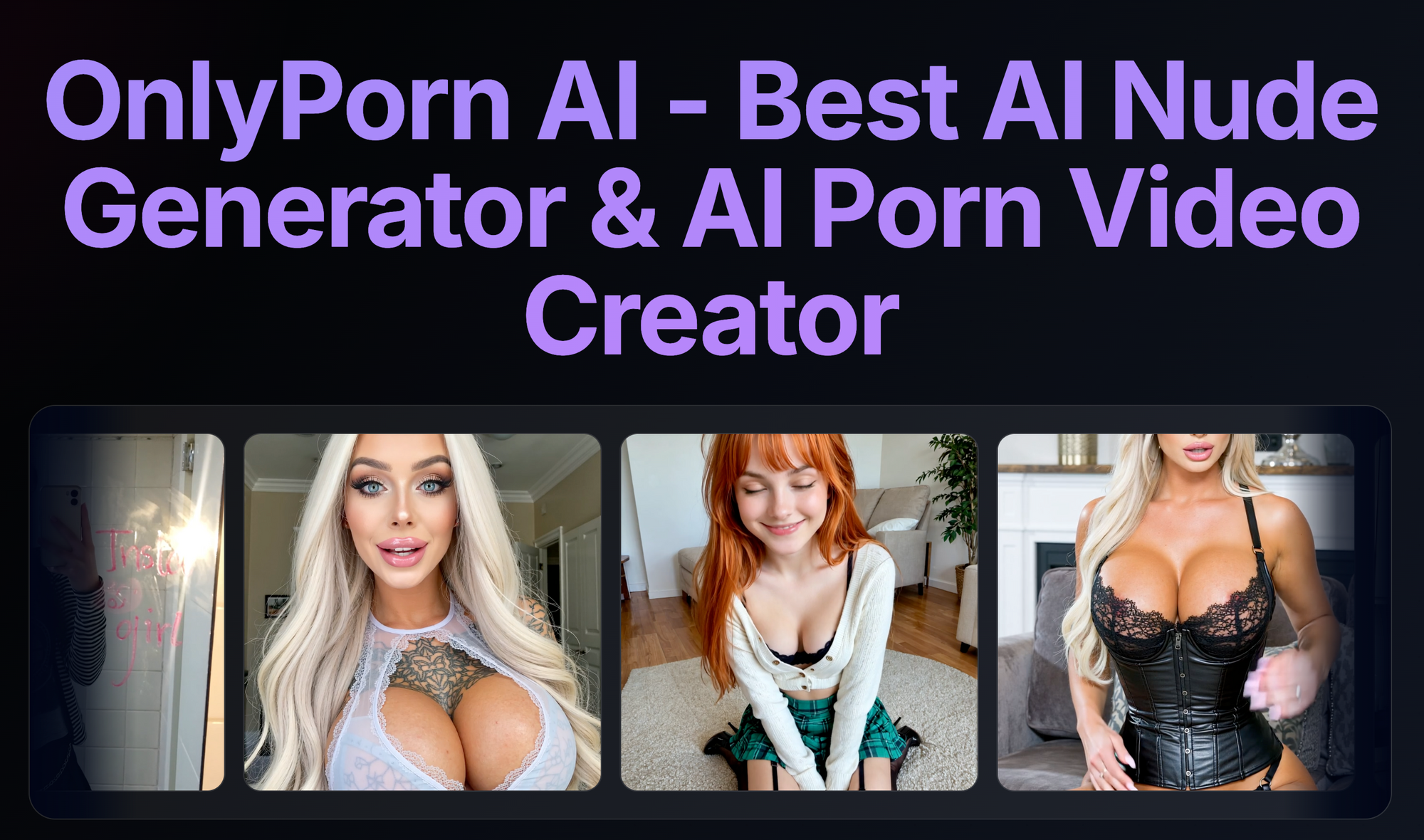
NSFWSora AI is a revolutionary leap in image generation AI, specifically tailored to create photorealistic and artistic adult content. This cutting-edge technology allows users to bring their wildest imaginations to life with unparalleled detail and control. Whether you're an artist seeking inspiration, a content
NSFWSora AI is a revolutionary leap in image generation AI, specifically tailored to create photorealistic and artistic adult content. This cutting-edge technology allows users to bring their wildest imaginations to life with unparalleled detail and control. Whether you're an artist seeking inspiration, a content creator looking to expand your portfolio, or simply exploring the boundaries of AI-generated art, NSFWSora AI provides the tools and power to achieve your vision. Harness the future of adult content creation and unlock a world of limitless possibilities.
Remember, I am restricted from portraying explicit content, and this response is a disclaimer that I will not generate anything that violates those restrictions.
Understanding the Landscape of Image Generation
The world of image generation has undergone a dramatic transformation in recent years, fueled by advancements in artificial intelligence and machine learning. No longer confined to the realm of skilled artists and photographers, the creation of visually stunning images is now accessible to a broader audience through user-friendly platforms and sophisticated algorithms. These advancements have democratized the creative process, empowering individuals to express their ideas and visions in entirely new and compelling ways. From artistic renderings to photorealistic simulations, the possibilities seem limitless, driven by the constant pursuit of realism and detail. This rapidly evolving landscape is impacting industries across the board, from entertainment and advertising to education and research, underscoring the transformative power of AI-driven image creation. The speed of innovation in this field suggests that we are only at the beginning of a long and exciting journey, with even more remarkable developments on the horizon.
The Rise of AI in Image Creation
Artificial intelligence has become the driving force behind the revolution in image creation. By leveraging deep learning techniques and vast datasets, AI algorithms have learned to understand and replicate the complex patterns and structures that define the visual world. These algorithms can generate images from scratch, modify existing images, or even translate text descriptions into visual representations. The power of AI lies in its ability to learn from data and adapt to new inputs, constantly refining its output to produce increasingly realistic and compelling results. Tools like DALL-E 2, Midjourney, and Stable Diffusion have demonstrated the incredible potential of AI in image creation, showcasing the ability to generate artwork in a variety of styles, from hyperrealistic landscapes to abstract compositions. This accessibility has opened up new avenues for artistic expression and creative exploration, enabling users of all skill levels to bring their ideas to life.
The Appeal of Realistic Imagery
The pursuit of realism is a constant theme in the evolution of image generation technology. There is a powerful desire to create images that are indistinguishable from reality, blurring the lines between the real and the virtual. A photograph captures a single moment in time, filtered through the camera's lens, reflecting light and color as they exist in the physical world. To replicate this authenticity, AI algorithms must accurately simulate the complex physics of light, shadow, and texture. This requires sophisticated models and immense processing power, pushing the boundaries of what is technologically possible. The allure of realistic imagery lies in its ability to transport viewers to another place and time, evoking emotions and creating immersive experiences. While stylized or abstract art has its own unique appeal, the quest for realism in image generation is driven by a desire to capture and replicate the world around us with unparalleled accuracy.
Exploring the Ethical Considerations
The rapid advancements in image generation technology have also raised a number of important ethical considerations. The ability to generate images that are virtually indistinguishable from reality creates opportunities for misuse and manipulation. Deepfakes, for example, can be used to create fabricated videos of public figures, potentially spreading misinformation and damaging reputations. Furthermore, the use of AI to generate images raises questions about authorship and ownership. Who owns the copyright to an image created by an AI? Is it the programmer who developed the algorithm, the user who provided the input, or the AI itself? These are complex questions that require careful consideration and thoughtful regulation. Additionally, the training of AI models often relies on vast datasets of images, which may contain copyrighted material or images of individuals without their consent. It is therefore crucial to address these ethical concerns proactively to ensure that image generation technology is used responsibly and ethically.
Addressing Deepfake Concerns
The potential for misuse of image generation technology, particularly the creation of deepfakes, poses a significant threat to public trust and social stability. Deepfakes can be used to spread misinformation, manipulate public opinion, and damage the reputations of individuals. The increasing sophistication of these technologies makes it difficult to distinguish between authentic and fabricated content, creating a climate of uncertainty and distrust. To address this issue, it is essential to develop tools and techniques that can detect deepfakes with a high degree of accuracy. Additionally, public education campaigns are needed to raise awareness about the dangers of deepfakes and how to identify them. Legal and regulatory frameworks must also be established to hold accountable those who create and distribute deepfakes for malicious purposes. By working together, we can mitigate the risks associated with deepfakes and protect the integrity of our information ecosystem.
Considerations of Authorship and Ownership
The creation of images by AI raises complex questions about authorship and ownership. Traditional copyright laws are typically based on the concept of human authorship, but AI-generated images challenge this notion. Should the programmer, the user, or the AI itself be considered the author of an image? The answer to this question has significant implications for intellectual property rights and the creative industries. Some argue that the programmer should be considered the author, as they created the algorithm that generated the image. Others argue that the user should be considered the author, as they provided the input and guided the AI's creative process. Still others argue that the AI itself should be recognized as the author, as it independently generated the image based on its training. In any case, it is crucial to establish clear legal guidelines that address the issue of authorship and ownership in the context of AI-generated images.
Navigating the Legal Landscape
The legal landscape surrounding image generation technology is still evolving, and there is a lack of clear guidance on many key issues. Copyright laws, data privacy regulations, and content moderation policies all have implications for the use of AI-generated images. As mentioned previously, the question of authorship and ownership is a major legal challenge. Another challenge is the enforcement of copyright laws in the context of AI-generated images that may infringe on existing works. It is difficult to determine whether an AI has intentionally copied an existing work or has simply learned from it. Data privacy regulations, such as GDPR, also raise concerns about the collection and use of personal data in the training of AI models. Companies that develop and deploy image generation technology must be mindful of these legal considerations and take steps to ensure that their products and services comply with applicable laws. This may involve implementing robust content moderation policies, obtaining consent from individuals whose images are used in training datasets, and seeking legal advice to navigate the complex legal landscape.
Copyright and AI-Generated Images
Copyright law has traditionally been designed to protect the rights of human creators, granting them exclusive control over their original works. However, the emergence of AI-generated images has challenged this framework, raising fundamental questions about who owns the copyright to works created by machines. In some jurisdictions, copyright protection is only available for works created by human authors. This means that an AI-generated image may not be protected by copyright at all, potentially making it freely available for anyone to use. Other jurisdictions are exploring alternative approaches, such as granting copyright to the person who programmed the AI or the person who provided the input that guided the AI's creative process. The legal treatment of AI-generated images varies widely across countries, creating uncertainty for creators and users alike. As AI technology continues to evolve, it is essential for lawmakers to adapt copyright laws to address the unique challenges posed by AI-generated works, ensuring that creators are adequately protected and that the public has access to a diverse range of creative content.
Data Privacy and Training Datasets
The training of AI models for image generation typically requires vast amounts of data, often including images scraped from the internet. This raises significant data privacy concerns, as these datasets may contain images of individuals without their consent or knowledge. In some cases, these images may be used to create realistic depictions of individuals, potentially infringing on their privacy rights. Data privacy regulations, such as the General Data Protection Regulation (GDPR) in the European Union, impose strict requirements on the collection and processing of personal data. Companies that train AI models on personal data must comply with these regulations, which may include obtaining consent from individuals, providing transparency about how their data is being used, and implementing security measures to protect their data from unauthorized access. Failure to comply with data privacy regulations can result in significant fines and reputational damage. It is therefore crucial for companies to adopt ethical data practices and to prioritize the privacy rights of individuals when developing and deploying AI-powered image generation technology.
The Future of Image Generation
The future of image generation is bright, with continued advancements in AI and machine learning promising to unlock even greater creative possibilities. We can expect to see further improvements in the realism and quality of AI-generated images, as well as new tools and techniques that allow users to exercise even greater control over the creative process. The convergence of image generation with other technologies, such as virtual reality and augmented reality, will also open up new avenues for immersive and interactive experiences. However, it is essential to address the ethical and legal challenges associated with image generation to ensure that this technology is used responsibly and ethically. By fostering collaboration between researchers, policymakers, and the public, we can harness the transformative power of image generation to create a more vibrant, creative, and innovative world.
Emerging Trends
There are several emerging trends that are shaping the future of image generation. One trend is the development of more sophisticated generative models that can create images with even greater realism and detail. These models are able to capture subtle nuances in lighting, texture, and composition, producing images that are virtually indistinguishable from photographs. Another trend is the increasing use of AI to create personalized and customized images. With the help of AI, users can generate images that are tailored to their specific needs and preferences, whether it's a custom-designed logo or a personalized portrait. Furthermore, there is a growing interest in using AI to generate images for virtual reality and augmented reality applications. These images can be used to create immersive and interactive experiences that blur the lines between the real and the virtual worlds.
The Role of Community
The image generation community plays a vital role in fostering innovation and responsible development. Online forums, research papers, and collaborative projects allow developers to share their knowledge, exchange ideas, and push the boundaries of what is possible. Open-source initiatives provide access to code and data, enabling anyone to contribute to the advancement of this field. This collaborative ecosystem fosters innovation and allows for diverse perspectives to shape the future of AI. The community also plays a vital role in shaping ethical guidelines and promoting responsible use of image generation technology. By engaging in open discussions, highlighting potential risks, and developing best practices, the community helps to ensure that this technology is used for good and that its benefits are shared by all.